The **American apparel industry** is in the middle of a massive transformation. Supply chain realignments, shifting consumer loyalties, and the rise of creator-led commerce are reshaping how brands operate. If you work in fashion — as a brand marketer, retailer, or creator — understanding these currents isn't optional. It’s survival. In this post, I’ll break down the key moves I’m seeing across the American apparel industry and what they mean for the next twelve months.
The Shifting Landscape of American Apparel Manufacturing
For decades, the American apparel industry outsourced production to Asia. That’s changing. Nearshoring to Mexico and Central America is accelerating, driven by tariffs, shipping delays, and a desire for faster turnaround. Brands like American Giant and Buck Mason have built entire narratives around U.S. production, but even mass-market players are testing regional supply chains.
Take Levi Strauss & Co. — they’ve invested in “speed-to-market” factories in the Americas, cutting lead times from months to weeks. This shift isn’t just about politics; it’s about flexibility. The American apparel industry is learning that owning more of the manufacturing process allows for quicker reactions to trend shifts. For example, when the workwear trend exploded last fall, brands with domestic capacity were first to shelf.
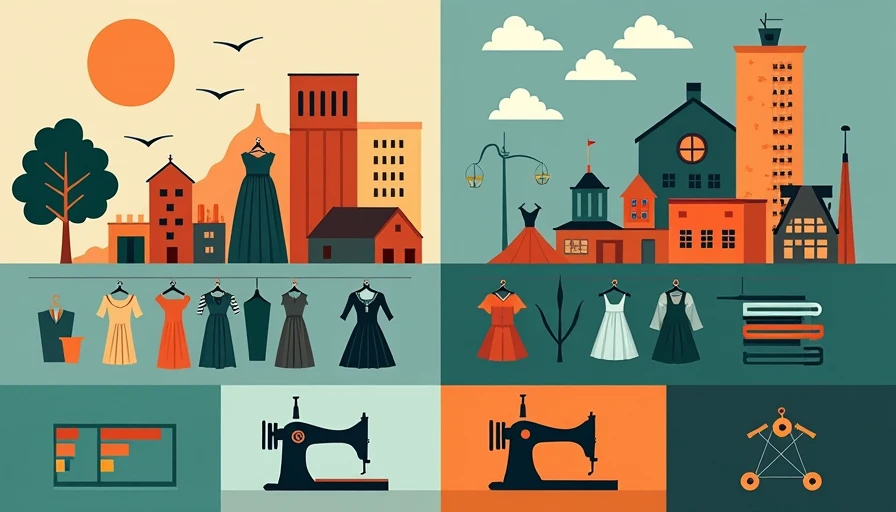
Yet challenges remain. Labor costs are higher, and skilled garment workers are scarce. Some companies are offsetting this through automation — laser finishing on denim, AI-driven pattern cutting. But the human craft element is still critical. The American apparel industry can’t fully automate its way to competitiveness, but it can find a hybrid model that balances speed, quality, and cost.
Brand Moves: Who’s Winning and Who’s Struggling
Not every player in the American apparel industry is thriving. The middle is getting squeezed. Legacy mall brands like Gap and J.Crew have spent years trying to recapture relevance, while younger DTC brands like Everlane and Outdoor Voices have hit growth plateaus. Meanwhile, Nike continues to dominate by controlling its retail ecosystem and cutting out wholesale partners.
But the biggest winner right now might be denim. The American apparel industry has always had a denim backbone, and current fashion cycles are rewarding that. Brands like Wrangler and Levi’s are seeing double-digit growth in their direct-to-consumer channels. They’ve leaned into heritage storytelling and fit innovation (curvy fits, stretch blends) that resonate with a broader audience.
What about the struggling players? Fast-fashion giants like Shein and Temu are capturing price-sensitive shoppers, but they’re not American — and there’s a growing consumer push for transparency and domestic production. This creates an opening for mid-tier brands to emphasize “made in the USA” as a differentiator. But that message only works if the product quality matches the price premium.
Retail Evolution and the Creator Commerce Boom
The retail side of the American apparel industry is bifurcating. Physical stores aren’t dead, but they’re being repurposed. Brands are using stores as experience centers, pickup points, and return hubs rather than pure transaction spaces. Pop-ups are becoming permanent strategies — short-term leases in high-traffic areas allow for risk-free brand testing.
More importantly, creator commerce is reshaping how products reach consumers. TikTok Shop turned the American apparel industry on its head last year. Brands that figured out how to let micro-influencers sell via affiliate links saw organic growth that outperformed paid ads. The key is authenticity: a creator showing how they style a pair of trousers beats a polished campaign every time.

Now, traditional retailers are scrambling to build their own creator networks. Macy’s launched a creator equity program. Walmart is partnering with YouTube influencers. The American apparel industry is realizing that the old advertising funnel is inverted — discovery happens through people, not brand messages. The brands that win will be those that enable and incentivize authentic product integration, not just sponsored posts.
Price and Demand Signals in the American Apparel Industry
Price sensitivity is high right now. Inflation may have eased, but consumers are still cautious with discretionary spending. The American apparel industry is seeing a “trade-down” effect: shoppers are buying fewer items but spending more per piece on versatile, quality basics. This is good for brands that have focused on durability and timeless design.
But there’s a paradox. The same consumer who buys a $200 pair of raw denim will also buy a $15 t-shirt from a fast-fashion site. The American apparel industry has to navigate this split behavior. I think the answer is segmentation: offer a core essentials line that’s aggressively priced and a premium trend line that commands higher margins. Uniqlo does this masterfully, and American brands like J.Crew are starting to adopt similar strategies.
Another signal: resale is no longer niche. ThredUp and The RealReal have normalized secondhand shopping, and the American apparel industry is responding. Brands are launching their own resale programs (like Levi’s SecondHand) to capture that value and retain customer loyalty. It’s a win-win — reduces waste, increases repeat purchases, and builds community.
What’s Next for the American Apparel Industry?
The next few years will separate adaptable brands from legacy players stuck in old cycles. The American apparel industry is resilient but must continue to evolve. Key areas to watch: AI-driven personalization, circularity (recycling fibers at scale), and the continued growth of wholesale-to-retail blurring — where brands become retailers and retailers launch private labels.
If you’re in the industry, my advice is simple: pay attention to your supply chain agility, invest in creator relationships, and don’t underestimate the power of a story rooted in American craftsmanship. The American apparel industry has the tools to lead the global conversation — it just needs to use them smartly.