In the fast-moving world of creator commerce, **influencer fashion brand collaboration reports** have become essential reading for anyone tracking brand moves and retail shifts. Whether you're a marketing lead at a streetwear label or a TikTok creator trying to land your next deal, understanding what these reports actually tell you can save time and budget. In this post, I'll break down the signals hidden in the data and show you how to separate noise from actionable intelligence. The best reports don't just list names — they reveal why a collaboration worked, what the audience responded to, and whether the impact will last beyond the drop.
What Makes a Collaboration Report Valuable
Not all reports are created equal. The gold-standard ones go beyond listing which influencer wore which hoodie. They tie volume to velocity — how fast did the collection sell out? How many resale listings appeared within 48 hours? For example, when Supreme teamed up with a rising TikTok star last fall, sell-through rates hit 90% in the first weekend. That kind of detail matters because it signals genuine demand, not just hype. The best influencer fashion brand collaboration reports will also segment by platform: Instagram Reels vs. TikTok vs. YouTube. Each platform drives different conversion patterns. If you're a buyer, you want to know where the heat is coming from. I've also seen reports that include sentiment analysis — are comments positive, negative, or just emojis? That qualitative layer can indicate whether the partnership damaged or enhanced brand equity.
Key Metrics to Watch
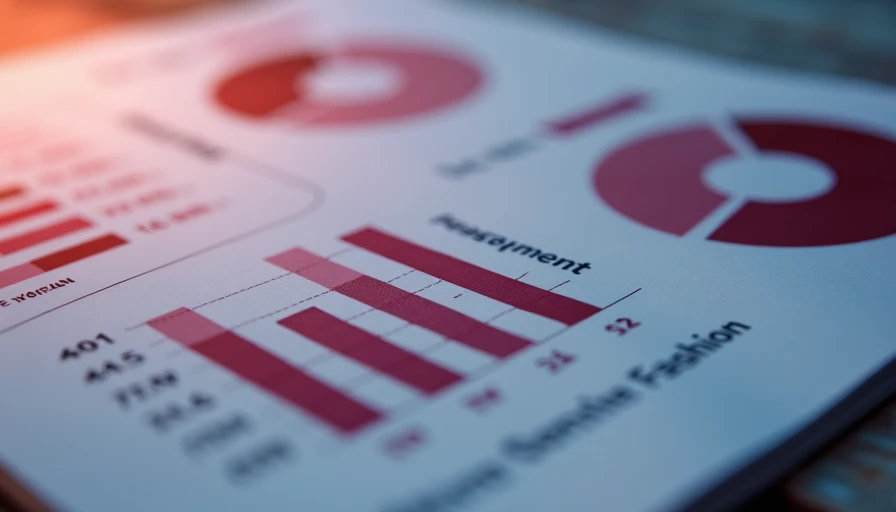
When you scan influencer fashion brand collaboration reports, focus on three numbers: engagement rate, conversion rate, and average order value (AOV). Engagement rate tells you if the influencer's audience actually cares — anything above 3% on Instagram is strong. Conversion rate is harder to measure but many reports now include affiliate-linked data. AOV is crucial: a collaboration that drives $150 AOV is worth more than one that drives $50, even if volume is lower. Look for reports that break out these metrics by demographic. For instance, a recent campaign by Aritzia with a lifestyle creator saw AOV spike among 25-34 year old women by 22%. That's the kind of insight that helps you plan your own brand strategy. Additionally, check cost per engagement (CPE) — it can reveal whether you're overpaying for reach. A good benchmark is under $0.50 per engagement for micro-influencers.

How Reports Predict Trend Cycles
One underappreciated use of influencer fashion brand collaboration reports is trend forecasting. When multiple brands start collaborating with influencers in the same niche — say, mushroom-dyed tees or cargo skirts — it's a leading indicator that the trend is moving from early adopters to mainstream. I've seen reports that track collaboration frequency by category: if "Y2K denim" collaborations double in a quarter, expect the trend to peak two months later. Reports also reveal price ceilings. If a collaboration item retails for $120 and resells for $300, there's room for a higher-priced version. But if resale is flat at $95, the market is saying "too expensive." Smart readers use these signals to time their own product drops. For example, the rise of "balletcore" was visible in collaboration reports six months before it hit mass retail — brands like Miu Miu and Adidas were already partnering with ballet influencers.
Using Reports to Inform Your Strategy
Whether you're an independent designer or a brand manager, influencer fashion brand collaboration reports can directly guide your next move. First, identify which tier of influencer works best for your price point. Micro-influencers (10k-50k followers) often deliver higher engagement and lower cost-per-acquisition. Reports from the last six months show that micro-influencer collaborations consistently outperform celebrity ones in terms of ROI. Second, look at the geographic breakdown. A collaboration that pops in Los Angeles might flop in Omaha. Third, study the creative format. Reports that break down carousel posts vs. short-form video vs. static images can reveal which medium drives the most clicks. For example, a recent report on Nike's influencer strategy found that Reels generated 3x more link clicks than static posts. Fourth, examine the timing of posts. Data shows that collaborations launched on Tuesday mornings see 15% higher conversion than Friday evenings. Use these insights to optimize your own launch calendar.
Common Pitfalls to Avoid in Influencer Fashion Brand Collaboration Reports
Even the best reports can lead you astray if you misinterpret the signals. Here are four pitfalls to watch out for:
- **Confusing Virality with Relevance:** A collaboration that goes viral doesn't always translate to sales. Check the conversion metrics separately from engagement spikes.
- **Ignoring Seasonal Context:** A report from January might show high demand for puffer jackets, but that's seasonal, not a long-term trend. Always overlay time-of-year data.
- **Overvaluing Celebrity Impact:** Reports often highlight big names, but micro-influencer collaborations frequently offer better ROI. Don't be swayed by follower counts alone.
- **Skipping the Fine Print:** Some reports exclude certain retailers or only track US sales. If your market is Europe, those figures will mislead you.
- **Not Cross-Referencing Multiple Sources:** One report's "top collaboration" might be a paid placement. Compare at least three independent sources for a reliable picture.
Avoid these mistakes, and your reading of influencer fashion brand collaboration reports will become a genuine competitive advantage.
The Bottom Line
Influencer fashion brand collaboration reports are not just data dumps — they're roadmaps to the next six months of retail and trend behavior. By focusing on the metrics that matter, spotting trend signals early, and applying the insights to your own strategy, you can make smarter bets with your budget and creative energy. The brands that read these reports closely will be the ones that stay ahead of the curve. Start integrating them into your planning process today, and watch your collaboration performance improve.