Making **long term fashion trend cycle predictions** is no longer a luxury—it’s a necessity for brands, retailers, and creators who want to stay relevant beyond a single season. The days of predictable 20-year pendulum swings are over. Instead, we’re seeing a convergence of macro forces—climate awareness, digital acceleration, generational value shifts, and supply chain volatility—that are compressing trend cycles at one end while extending them at the other. In this article, I break down the key structural shifts shaping the next decade and offer actionable foresight for anyone working in fashion.
The Shifting Length of Trend Cycles
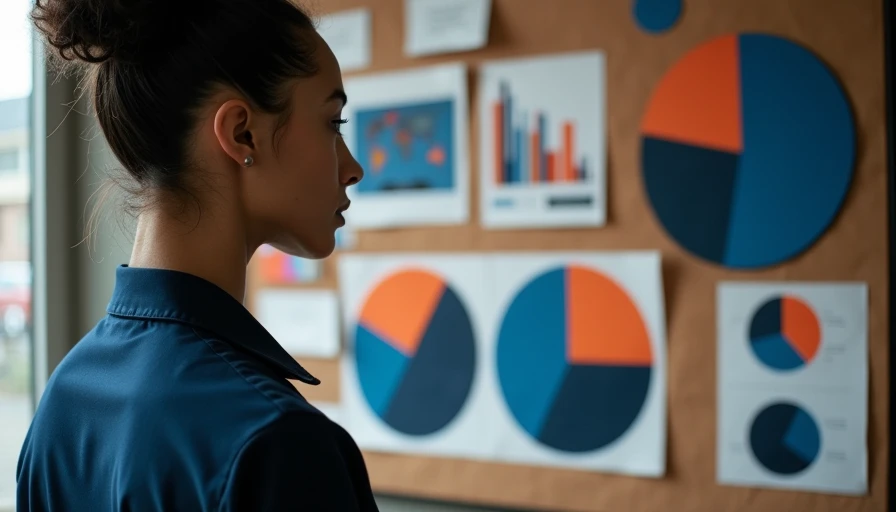
For most of the 20th century, trend cycles followed a relatively predictable rhythm: a style emerged, peaked, declined, and then resurfaced roughly 20 years later. That pattern has fragmented. Today, micro-trends can burn out in weeks on TikTok, while macro-aesthetics like “quiet luxury” or “gorpcore” sustain interest for years. My **long term fashion trend cycle predictions** center on this polarization. On one side, ultra-fast cycles driven by social media and algorithmic discovery; on the other, slow-burn “permanent trends” rooted in deep consumer needs—comfort, sustainability, versatility. Brands that only watch the short-term radar risk missing the tectonic shifts beneath.
Macro Forces Reshaping the Cycle
Three big forces will define fashion’s next decade. First, **sustainability** is transitioning from a marketing buzzword to a regulatory and operational reality. Extended producer responsibility laws in Europe and similar moves in the US will force brands to design for longevity, which inherently slows trend turnover. Second, **demographics**: Gen Z and Gen Alpha prioritize self-expression and value alignment over conformity, which means trend adoption becomes more fragmented and less hierarchical. Third, **technology**—AI-driven design, 3D sampling, and on-demand production enable faster reaction but also create a data-rich environment where long-term signals can be better predicted. These forces together dilute the power of single-direction trend forecasts and demand a multidimensional approach.
Key Categories to Watch in the Next Decade
Not all apparel categories will evolve at the same pace. My **long term fashion trend cycle predictions** highlight three areas with outsized impact. **Tailored clothing** is experiencing a revival, not as a return to suits but as modular, washable separates that bridge work and leisure; this category benefits from the work-from-home shift and a desire for “elevated comfort.” **Denim** remains a constant but cycles through washes and fits every 5–7 years; the next wave points toward wide-leg, raw denim, and vintage-inspired finishes. **Athleticwear** is already becoming everyday uniform, but watch for performance fabrics crossing into formalwear—think tech-wool blazers and sneaker-derived loafers. These category-level insights give retailers a concrete framework to allocate inventory and marketing spend.
How Leading Brands Are Adapting Their Strategies
Forward-looking brands are already aligning their operations with **long term fashion trend cycle predictions**. Kering, for example, has invested heavily in circular economy initiatives, from Gucci’s upcycling program to Saint Laurent’s longevity-focused design. Fast Retailing (Uniqlo) continuously refines its base layers and core staples, treating them as platforms that transcend seasonal whims. At the same time, DTC labels like Everlane and Reformation build their entire identity around ethical, timeless pieces. These companies aren’t ignoring fast fashion—they’re hedging against trend risk by creating products that can withstand at least two full cycle turns. The lesson for smaller brands: diversify your product portfolio so that a portion anchors to long-term value.
What Retailers and Creators Should Do Now
For retailers, reacting to last week’s Instagram trend is a losing game. Instead, build your buying strategy around **long term fashion trend cycle predictions**. Use data tools that track search volume and social mentions over 12–36 months, not just 30 days. Invest in classics that carry multiple seasons—white button-ups, sensible denim, quality knits—and layer in short-term novelty through accessories or limited drops. For content creators, the opportunity lies in interpreting long trends for your audience. A video explaining why “quiet luxury” might last a decade, or how sustainability will reshape streetwear, positions you as a thought leader rather than a trend chaser. The creators who survive platform changes are those who own a perspective on the future.
Practical Steps for Implementing Long-Term Trend Predictions
To turn **long term fashion trend cycle predictions** into real business advantage, follow this five-step framework:
- **Audit your current product lifecycle.** Identify which items have short shelf lives and which can be extended. Aim for a 60/40 split between core staples and seasonal novelty.
- **Invest in trend forecasting tools that analyze multi-year data.** Platforms like WGSN or Trendalytics offer dashboards that track search volume over 12–36 months, not just weeks.
- **Build a “trend buffer” into your design calendar.** Reserve 20% of your collection for long-term bets—pieces that align with macro forces like sustainability or comfort.
- **Educate your team on megatrends.** Host quarterly workshops on demographic shifts, climate regulation, and technological advancements. Understanding these forces helps everyone spot the difference between a fad and a structural shift.
- **Measure success over two-year cycles.** Instead of quarterly reviews, evaluate your long-term lines every 24 months to allow trends to mature.
This structured approach ensures you’re not just reacting to the latest viral moment but strategically positioning your brand for the decade ahead.
Conclusion: The High Cost of Ignoring Long-Term Signals
Fashion is famously short-termist, but the industry’s most resilient players have always been those who read the decade, not the minute. By grounding your decisions in **long term fashion trend cycle predictions**, you reduce waste, build brand equity, and attract consumers who are increasingly skeptical of disposable style. Whether you’re a buyer planning spring 2028 or a creator developing a content roadmap, start scanning for the structural trends hiding in plain sight. The next ten years will belong to those who can see both the wave and the current underneath.