
Walk into any mall in America and you will see it — the visual chaos of youth culture spilled onto mannequins. Baggy cargo pants paired with micro crop tops. Y2K sunglasses on teenagers who were not alive when Britney Spears wore them. The youth cultural fashion trend impact on retail is no longer a slow trickle from the runways down; it is a fire hose from TikTok, Discord, and Roblox straight into the stockrooms. Brands that understand this shift are winning. Those that do not are drowning in inventory that missed the moment.
Retail has always been driven by young consumers, but the speed at which styles emerge, peak, and vanish has accelerated beyond what traditional supply chains can handle. The youth cultural fashion trend impact on retail now determines everything from factory production schedules to store layout decisions. In 2025, the average trend cycle for a Gen Z-driven look is under three weeks — compared with three months for millennials just a decade ago. That compression creates both opportunity and risk.

The New Drivers of Youth-Led Retail
To understand the youth cultural fashion trend impact on retail, look at the platforms where trends are born. TikTok alone has spawned hundreds of micro-trends — from coastal grandmother to mob wife to balletcore — each driving real dollars to retailers. Urban Outfitters, PacSun, and Zara have all restructured their buying teams to monitor social signals in near real-time. They are using AI tools to scan hashtag volumes and video engagement rates, then placing small-batch orders within days.
But speed is only half the story. Young shoppers are also demanding authenticity and align with brands that share their values. That means the youth cultural fashion trend impact on retail extends beyond what is sold to how it is marketed. A brand that uses diverse, real-looking models and speaks to issues like sustainability or body positivity resonates more. Conversely, brands that seem out of touch — or worse, co-opt a trend without giving credit — face backlash that can crater sales overnight.
Consider the rise of thrift and resale. Apps like Depop and Grailed have turned secondhand shopping into a trend driver. The youth cultural fashion trend impact on retail includes directly cannibalizing fast-fashion sales while forcing new brands to compete with vintage aesthetics. Retailers that ignore resale are missing a channel that, according to ThredUp, will hit $70 billion by 2027.
How Brands Can Capitalize (or Get Left Behind)
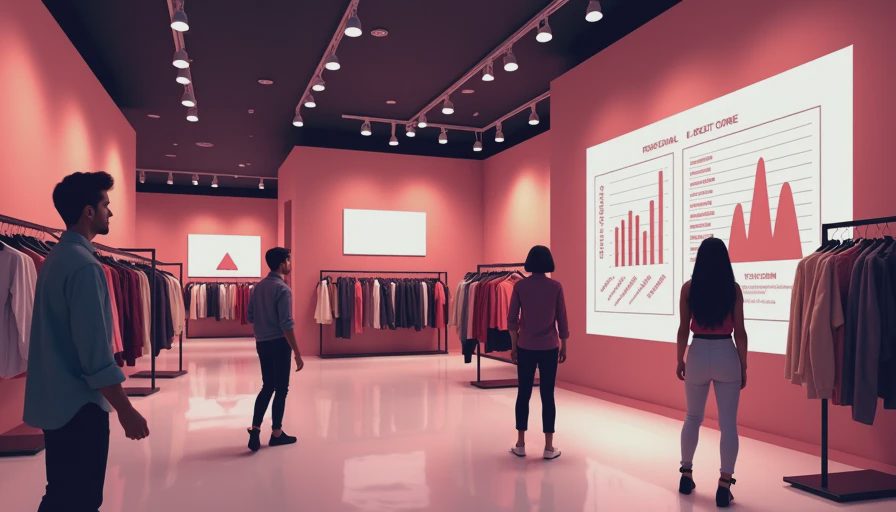
The brands that are thriving in this environment share a few practices. First, they treat inventory as a flexible asset. fast-fashion players like SHEIN and Cider can go from trend detection to production in less than a week. Traditional retailers are catching up by adopting pre-order models and drop-shipping for experimental styles. For example, American Eagle launched a line of Y2K-inspired denim last spring that was entirely produced on a reservation basis — they made only what customers ordered, eliminating markdown risk.
Second, they invest in creator partnerships rather than traditional advertising. When a TikTok creator with 500,000 followers wears a certain jacket, it can sell out within hours. The youth cultural fashion trend impact on retail means that a single post can determine whether a product becomes a hit or a shelf-warmer. Brands now allocate up to 30% of their marketing budgets to micro-influencers and affiliate programs.
A cautionary tale: J.C. Penney tried to court Gen Z by slapping logos on hoodies without understanding the subculture behind them. The result was a line that had no organic traction and got buried in clearance racks. The lesson is that the youth cultural fashion trend impact on retail cannot be faked. Brands must either be part of the culture or be left observing it from the discount aisle.
The Long-Term Implications for Apparel Retail
Looking ahead, the youth cultural fashion trend impact on retail will only intensify. Gen Alpha, the cohort born after 2010, is already forming trend preferences through games like Fortnite and Roblox. Those virtual try-ons and digital skins are translating into real-world purchases of streetwear and accessories. Retailers that do not build digital-native experiences — like virtual showrooms or shoppable livestreams — will lose relevance.
Supply chain flexibility will become a competitive advantage. The old model of planning six months ahead is obsolete. Brands need modular designs, nearshore production, and data analytics that spot trends before they hit the mainstream. The youth cultural fashion trend impact on retail is ultimately a test of agility. The brands that pass will capture not just sales but loyalty from a generation that values speed, sincerity, and style over everything else.
In summary, the youth cultural fashion trend impact on retail is reshaping the entire apparel industry. From how products are designed to how they are marketed and sold, youth culture is the engine. Retailers that embrace the chaos — by listening, adapting, and moving fast — will thrive. Those that resist will find themselves competing for the leftovers in a market that waits for no one.