The Two-Tier Spending Logic
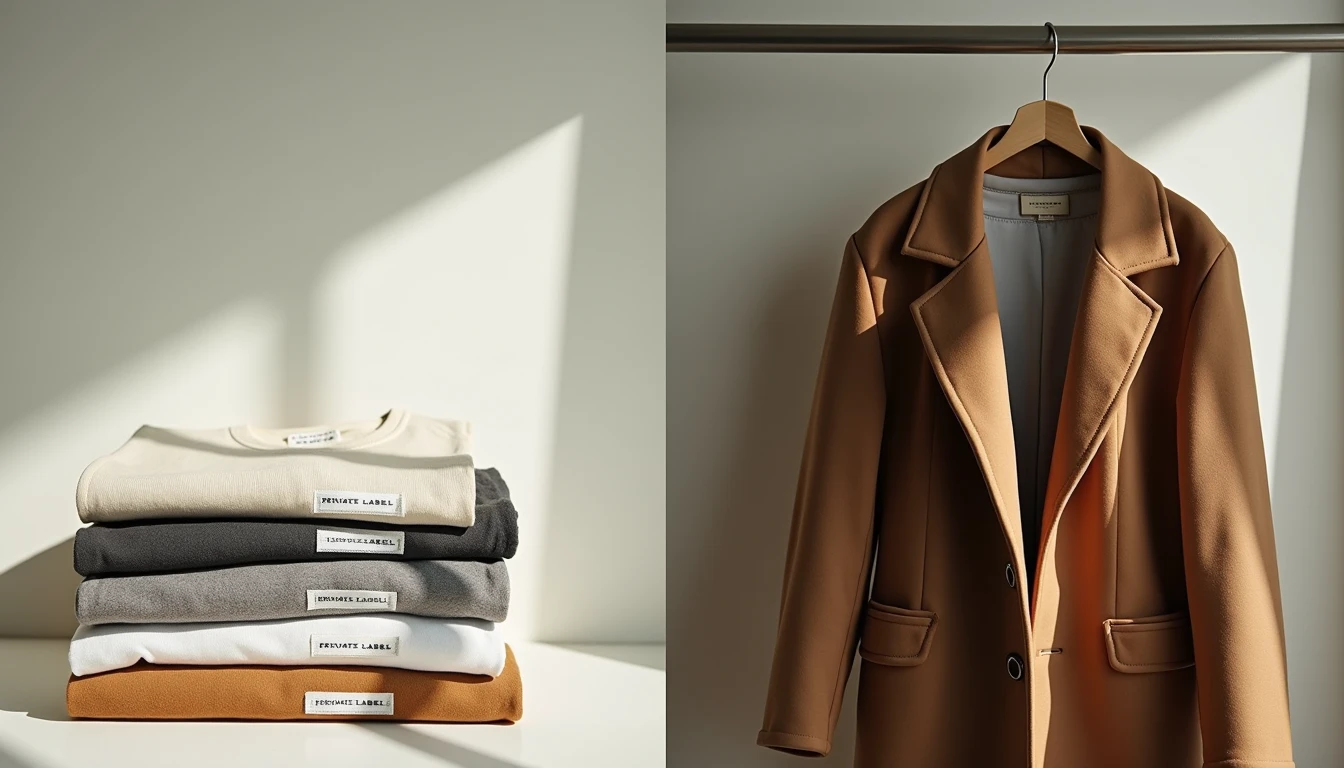
U.S. apparel demand is splitting into two distinct patterns in 2026, and the divide is sharper than it looks. In basics — T-shirts, underwear, socks, denim, everyday knitwear — shoppers are trading down aggressively, switching to private label, waiting for discounts, or buying secondhand. In outerwear and statement categories, the same consumers are trading up, paying full price for pieces they believe carry lasting value.
This looks like a contradiction. It isn't. What's happening is a rational reallocation of clothing budgets under sustained cost pressure — and the categories consumers choose to upgrade reveal more about where they think status and quality actually live than any brand survey could capture.
The numbers paint the picture clearly. Clothing prices have surged as much as 17% under the cumulative weight of tariffs, with apparel sourcing costs expected to rise roughly 35% in the short term . 70% of consumers plan to reduce apparel spending when prices rise, and nearly 80% say they will wait for discounts, buy cheaper alternatives, or turn to resale rather than pay full price . But buried inside that headline number is a more nuanced behavioral signal: roughly one-third of consumers say they are still willing to splurge on products that are well-made and make them feel valued .
The commercial logic is straightforward. When consumers face across-the-board price increases in essentials — food, housing, energy — they protect their ability to spend on what matters to them by cutting ruthlessly everywhere else. Basics are the everywhere else. Outerwear is what matters.
Why Outerwear Wins the Status Game
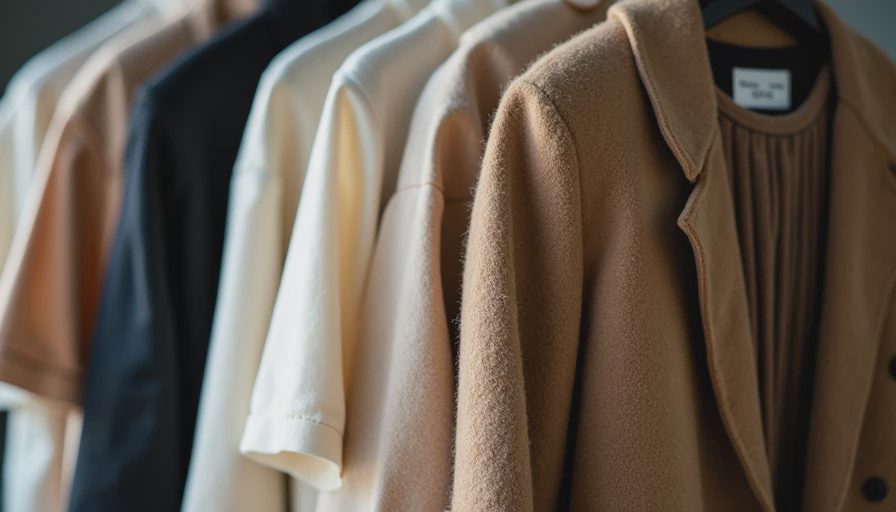
Outerwear occupies a unique position in the apparel hierarchy that makes it structurally more resistant to trading-down behavior than almost any other category. It is high-visibility — worn repeatedly in public, often the first and sometimes only garment other people register. It is functional, which gives consumers permission to spend more on performance and durability rationales that don't apply to a T-shirt. And it is seasonally durable, meaning a coat purchased in 2026 is expected to perform in 2027 and beyond, which reframes a higher price as an investment rather than an indulgence.
The market data supports the asymmetry. In the sportswear segment during Q1 2026, outerwear and performance categories saw prices rise while units continued to grow — a genuine "volume and price both up" dynamic that signals demand strength, not just cost-pass-through. Meanwhile, basic footwear categories saw prices decline as brands competed on discounting, and volume growth slowed . When consumers are willing to pay more per unit and buy more units, the category has moved beyond inflation-driven pricing into genuine demand-pull territory.
The luxury and fashion sectors are reorganizing around the same logic. Market polarization is accelerating: core luxury brands and investment pieces benefit from resilience among higher-wealth consumers, while mass-market brands pivot toward budget products for financially sensitive shoppers . The middle is getting hollowed out. A consumer who buys Uniqlo basics and a Loro Piana-inspired coat is not behaving inconsistently — they are allocating their clothing budget exactly the way the market is structuring itself.
The resale market provides a further signal. The secondhand apparel market is projected to grow two to three times faster than primary retail in 2026, with nearly 60% of global consumers planning to shop secondhand . But resale activity concentrates heavily in categories where differentiation is low and brand premium is hard to justify at full retail — jeans, basic tops, casual dresses. Outerwear resale exists, but the premium attached to a well-made coat holds better on the secondary market than the premium attached to a basic T-shirt, which collapses toward commodity pricing almost immediately.
What the Split Tells Us About 2026 Consumers
The trading-down/trading-up split is not just a pricing story — it's a values story with a price tag attached. Consumers are making highly intentional decisions about which categories deserve their full-price dollars and which don't. The selection criteria are consistent: categories that combine high visibility, long wear cycles, functional utility, and clear quality differentiation get the upgrade. Categories that are interchangeable, low-visibility, or easy to substitute get downgraded to private label, discount, or resale.
This has implications for how brands position themselves across categories. A brand that tries to compete on price in basics while also commanding a premium in outerwear faces a structural challenge — consumers are smart enough to buy the cheap version of what that brand makes cheaply and the expensive version of what another brand makes well. The brand that wins in basics wins on cost efficiency. The brand that wins in outerwear wins on perceived quality, design distinctiveness, and cultural signaling. Very few brands can do both.
The real question is whether this split is cyclical or structural. The evidence points toward structural. Tariffs and sourcing cost inflation are not temporary shocks — the estimated 35% increase in apparel sourcing costs and 37% increase for leather goods represent a reset of the industry's cost base, not a spike that will revert . The consumer behavior that has adapted to that reset — ruthless economizing in low-stakes categories, selective splurging in high-stakes ones — is likely to persist as long as the cost structure does.
What matters here is that the split itself is the signal. When the same shopper buys a three-pack of private-label T-shirts and a full-price wool coat in the same season, they're not being inconsistent. They're being strategic. And the brands that understand which side of that strategy they sit on will have a clearer path through 2026 than the ones still pretending the middle will hold.