The retail landscape is no stranger to change, but the current wave of **brick and mortar fashion retail shifts** is unlike anything we’ve seen before. After a decade of e-commerce dominance, physical stores are fighting back—not by mimicking online, but by redefining what a store can be. From experiential pop-ups to AI-powered fitting rooms, these shifts are reshaping how brands connect with customers. If you work in fashion retail, ignoring these trends isn’t an option.
The End of an Era: Why Traditional Stores Are Evolving
The old model—rows of racks, a checkout counter, and a salesperson—is fading fast. Consumers today expect more than just a transaction. They want immersion, personalization, and a reason to leave the house. That’s why major players like Nordstrom and Macy’s are downsizing flagship locations while investing in smaller, curated concept stores. Even luxury brands like Gucci are experimenting with boutique formats that prioritize experience over inventory. The message is clear: **brick and mortar fashion retail shifts** are driven by changing consumer expectations, not just e-commerce pressure.
Experiential Retail: More Than Just Shopping
One of the most visible **brick and mortar fashion retail shifts** is the rise of experiential retail. Stores are no longer just places to buy clothes; they’re destinations. Think Nike’s House of Innovation in New York, where you can customize sneakers, attend workshops, or test gear on an indoor track. Or consider the resurgence of the fitting room—now equipped with smart mirrors that suggest complementary items and allow you to request sizes without leaving the cubicle. These experiences create emotional connections that online shopping simply can’t replicate. For brands, this means higher conversion rates and increased dwell time.
Technology Integration: The Smart Store Revolution
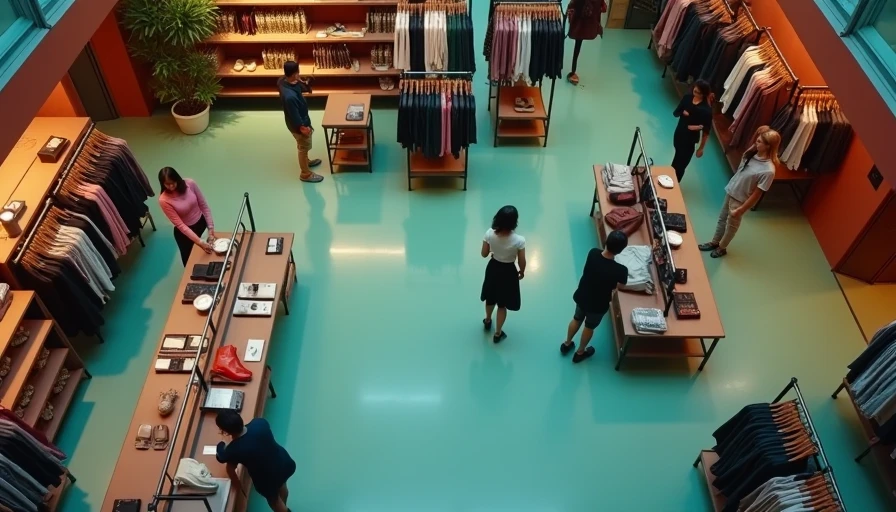
Behind the scenes, technology is enabling these shifts. RFID tags track inventory in real-time, so staff can instantly locate sizes. AI algorithms analyze foot traffic patterns to optimize layouts. And personalized offers pop up on your phone when you walk past a certain display. Take Rebecca Minkoff’s smart store concept: customers browse touchscreens, see live runway looks, and have items sent to a fitting room automatically. This integration of digital and physical is a key part of the **brick and mortar fashion retail shifts** happening today. It’s not about replacing human interaction—it’s about augmenting it.
The Rise of Hybrid Models: Click-and-Mortar
Pure online brands are also getting in on the action. Warby Parker, Allbirds, and Glossier all started online but now have physical footprints. Their stores serve as showrooms where customers can try before they buy, but the actual purchase often happens online via QR codes or in-store kiosks. This hybrid approach—often called “click-and-mortar”—blurs the line between channels. For consumers, it offers convenience and flexibility. For retailers, it provides valuable data on what people actually try on versus what they buy. These **brick and mortar fashion retail shifts** are redefining the role of the store in the customer journey.
Case Study: How Major Brands Are Adapting
Let’s look at two examples. First, Levi Strauss & Co. has rolled out “NextGen” stores that use digital shelves to display product details and stock levels. They also offer customization stations where you can add patches or embroidery. Second, Lululemon’s “Science of Feel” concept stores focus on fabric education and personalized fit consultations, not just selling leggings. Both examples show that successful **brick and mortar fashion retail shifts** require a clear strategy: either double down on service, technology, or community—or all three. The brands that try to be everything to everyone often end up being nothing to anyone.

What This Means for Industry Professionals
For buyers, merchandisers, and store managers, these shifts demand new skills. You need to understand data analytics, omnichannel integration, and customer experience design. Independent designers should consider partnering with local boutiques that offer rental or try-on services. And for content creators, these shifts provide endless storytelling opportunities—from unboxing a smart mirror experience to reviewing a pop-up concept. The **brick and mortar fashion retail shifts** are not a threat; they’re an invitation to innovate. Those who adapt will thrive, while those who cling to the old ways will struggle.
Final Thoughts: The Future Is Physical (But Different)
The narrative that physical retail is dead has been greatly exaggerated. What’s dying is the boring, one-size-fits-all store. The future belongs to spaces that surprise, educate, and connect. Whether you’re a brand marketer planning a flagship or a consumer just looking for a great pair of jeans, these **brick and mortar fashion retail shifts** are creating a more interesting retail world. Keep watching this space—because the next shift is already on its way.
Common Questions About the Retail Shift
**Q: Will physical stores disappear entirely?**
A: No. In fact, the **brick and mortar fashion retail shifts** are breathing new life into retail. Brands like Reformation and Alo Yoga are opening community-focused stores that host yoga classes and styling workshops. According to Coresight Research, over 300 new store openings were announced in 2024 by apparel retailers alone. Physical stores are here to stay—but their purpose is changing.
**Q: How can small brands afford these technologies?**
A: You don’t need a multi-million-dollar budget. Start with low-cost experiential tactics: host a live styling session on your store’s Instagram, offer free alterations, or create a “try-on” kiosk with an iPad. Many technology providers offer subscription-based models for smaller retailers. The goal is to enhance the shopping experience, not to outspend big players.
**Q: What’s the biggest mistake retailers make during these shifts?**
A: Trying to copy another brand’s playbook. Your store should reflect your unique identity and customer base. For example, a vintage boutique might focus on personalized curation, while a sportswear brand could emphasize product testing zones. Authenticity beats imitation.
**Q: How quickly should I adapt?**
A: There’s no single timeline, but the retailers who started testing experiential elements in 2023 are already seeing results. Start with one change this quarter rather than waiting for a perfect plan. Even a small update—like adding a communal seating area or hosting a monthly event—can signal to customers that your store is evolving.