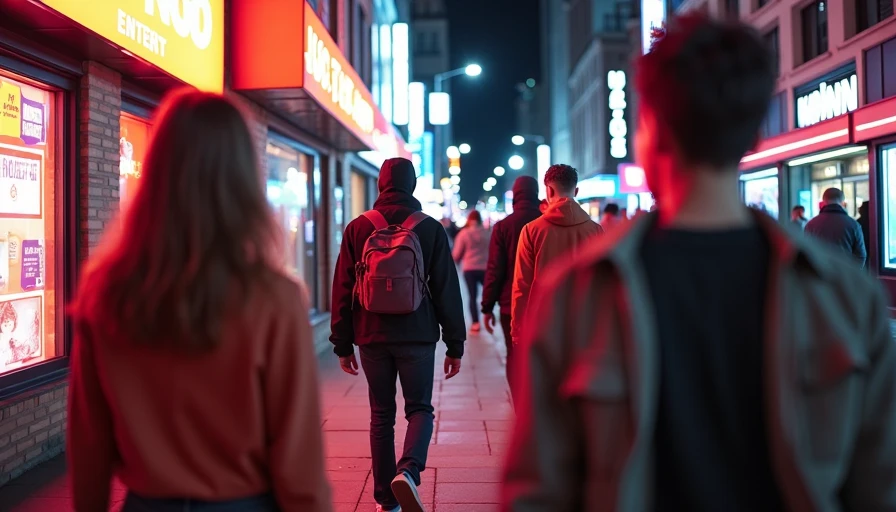
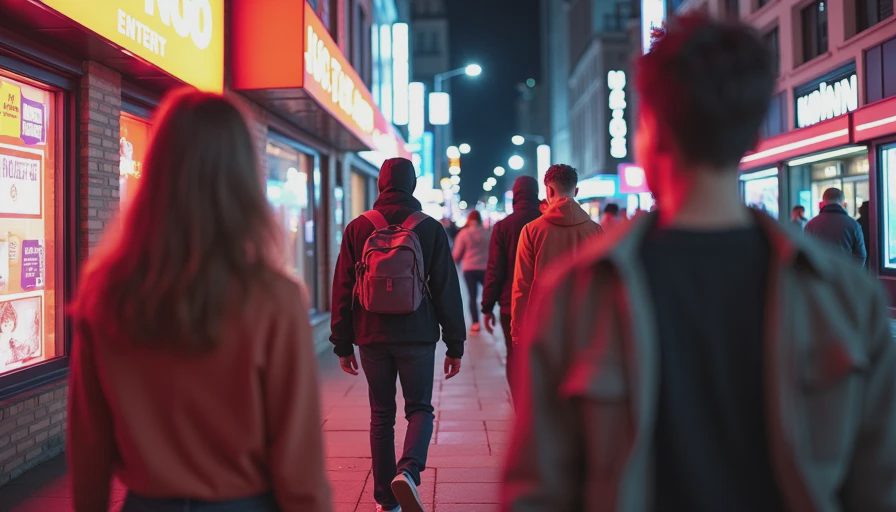
The American fashion landscape is shifting faster than ever, and emerging cultural fashion trends in America are no longer dictated solely by New York runways or luxury houses. Today, grassroots movements, regional identity, and digital subcultures are rewriting the rules. For brands and retailers, understanding these emerging cultural fashion trends in America is essential to staying relevant and capturing demand. The forces at play range from Gen Z's embrace of thrift to the rise of niche style communities centered on specific cities or music scenes.
The Rise of Regional Style Hubs
Gone are the days when all trend signals originated from the coasts. Emerging cultural fashion trends in America now spring from places like Austin, Nashville, Portland, and even smaller Rust Belt cities. Each region brings its own aesthetic: Western-inspired workwear in Texas, vintage prep in New England, and tech-infused minimalism in Seattle. Brands like Tecovas and Stetson have capitalized on the Western revival, while patchwork denim and cowboy boots are selling out at mainstream retailers. The key is that regionality adds authenticity — a hoodie designed in Los Angeles feels different from one rooted in Detroit's factory culture. Retailers are increasingly localizing their assortments to capture this energy, and pop-up events in mid-tier cities often outperform flagship stores.
How Social Media Accelerates Trend Adoption
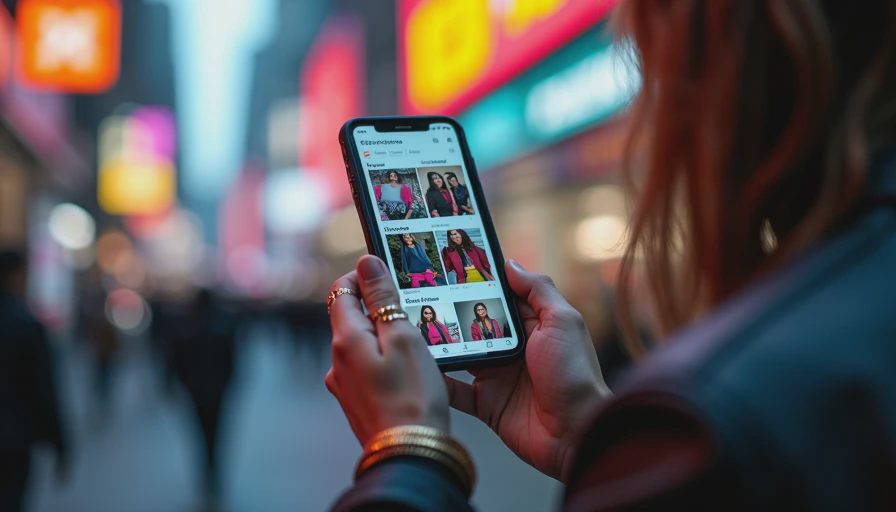
TikTok, Instagram, and Pinterest have compressed trend cycles from years to months. An emerging cultural fashion trend in America can explode overnight when a creator posts a styling video. The #Cottagecore and #Gorpcore movements are prime examples: both started as niche aesthetics on social media before hitting mall shelves. What's different now is the commercial speed. Fast-fashion giants like Shein and Zara can replicate a TikTok look in weeks, while smaller DTC brands use pre-order models to test demand. For the fashion industry, this means trend forecasting is no longer about predicting distant themes but about real-time data analysis of social signals. Brands that monitor these micro-trends can adjust production runs and marketing spend quickly, while those that lag risk inventory misfires.
Sustainability and Thrift as a Cultural Statement
Thrifting has evolved from a budget hack into a full-blown cultural identity. For many young Americans, shopping secondhand is a declaration of values — against fast fashion, textile waste, and corporate homogenization. This mindset drives emerging cultural fashion trends in America like the “travel thrift” phenomenon, where shoppers seek out unique vintage finds across different cities. Platforms like Depop and ThredUp have turned resale into a $50 billion market. High-end brands are also jumping in: Levi's SecondHand, Patagonia's Worn Wear, and even luxury resale like The RealReal. But the cultural shift goes deeper: wearing vintage is now a signal of taste and individuality, not just frugality. Brands that ignore this face losing the crucial 18-25 demographic.
The Influence of Music and Subcultures
Music scenes remain a powerful engine for emerging cultural fashion trends in America. The resurgence of country music among Gen Z has boosted Western wear, while hip-hop continues to influence streetwear and luxury collaborations. K-pop fandoms in the US have also introduced Korean-style oversized silhouettes and experimental layering. But the most interesting development is the mash-up of subcultures: a fan at a Taylor Swift concert might pair cowboy boots with a vintage punk tee. This hybridity blurs traditional style boundaries. Brands like Dr. Martens and Carhartt, long associated with specific subcultures, now see broad adoption. In 2024, Cowboy Carter (Beyoncé) drove a surge in fringe and hat sales, while electronic music festivals like Movement in Detroit fuel utility vests and technical fabrics.
Price and Demand Signals in Emerging Trends
Not all emerging cultural fashion trends in America reach mainstream pricing power. Some remain niche because the cost of entry is prohibitive — for example, high-end technical outerwear from Arc'teryx or Gorpcore gear. Others, like thrifted tees or crocheted accessories, have a low barrier to entry. The demand signal is often strongest at the mid-price point: $50-$150 items that feel accessible but intentional. Brands that can produce authentic-looking silhouettes without luxury price tags capture the most volume. For instance, Aritzia's effortless wide-leg pants and Alo Yoga's activewear tap into the “quiet luxury” trend without four-figure prices. Retailers should watch sell-through rates in this sweet spot — it tells you which trends have staying power.
What This Means for the Year Ahead
The common thread in these emerging cultural fashion trends in America is that consumers want stories, not just products. They want clothes that carry a sense of place, a subcultural reference, or a sustainability ethic. For fashion professionals, the challenge is to translate that desire into commercial execution without diluting the authenticity. Successful brands will be those that listen to regional creators, invest in resale infrastructure, and move fast enough to capture micro-trends before they peak. The landscape is complex, but the opportunity is huge for those who can read the signals correctly. Keep an eye on secondary cities, TikTok styling tutorials, and the latest tour merchandise drops — they might just show you where American fashion is heading next.