The fashion creator economy has exploded over the past few years, turning influencers, TikTok stars, and YouTube personalities into major power players. No longer just brand ambassadors, these creators now shape product design, drive sales, and even launch their own labels. For fashion brands, understanding this ecosystem is no longer optional—it's essential. This article dives into how the fashion creator economy works, why it matters, and what brands need to know to navigate it successfully.
The Shift from Traditional Media to Creator-Driven Marketing
Traditional fashion advertising—print magazines, billboards, and TV spots—once dominated how brands reached consumers. Today, that model has been upended. The fashion creator economy thrives on authenticity and direct connection. Creators like Emma Chamberlain, Wisdom Kaye, and Alyssa Coscarelli have built loyal followings by sharing personal style, haul videos, and behind-the-scenes content. Brands now allocate significant portions of their marketing budgets to these individuals, recognizing that a single TikTok can generate more engagement than a glossy ad campaign.
Take the example of Nordstrom: the retailer frequently partners with micro and macro creators for seasonal campaigns, offering affiliate links and exclusive discount codes. This shift isn't just about reach—it's about trust. Consumers, especially Gen Z, trust creator recommendations over traditional ads. The fashion creator economy capitalizes on this by making creators the new tastemakers.

How Brands Are Structuring Creator Partnerships
In the fashion creator economy, partnerships come in many forms. The most common is the paid sponsorship, where a brand pays a creator a flat fee to feature a product. But more sophisticated structures now include affiliate commissions, equity deals, and even advisory roles. For example, when German luxury brand Hugo Boss partnered with TikTok star Jamie Genevieve, they didn't just send free products—they gave her input on a co-designed capsule collection.
Another model is the affiliate program. Brands like ASOS and Revolve have robust creator networks where influencers earn a percentage of sales generated through unique links. This performance-based approach aligns incentives and ties compensation directly to ROI. In the fashion creator economy, data is king: brands track conversion rates, engagement metrics, and audience overlap to decide which creators to invest in.
Smaller brands are also getting creative. Independent labels often trade product for exposure with micro-creators—those with 10,000 to 50,000 followers—who have highly engaged niche audiences. This low-risk strategy can yield high returns when the creator's aesthetic matches the brand's identity.
The Rise of Creator-Owned Fashion Brands
Perhaps the most significant development in the fashion creator economy is creators launching their own brands. Influencers no longer just promote products—they create them. Kylie Jenner started with Kylie Cosmetics, but the trend is now strong in apparel. Emma Chamberlain has her own coffee and lifestyle line; Wisdom Kaye collaborated with Fashion Nova for a full collection. These ventures blur the line between creator and retailer.
For these creator-entrepreneurs, the advantage is a pre-built audience. They skip the costly customer acquisition phase that traditional startups face. Moreover, their followers feel a personal connection, driving lower return rates and higher lifetime value. However, maintaining quality and scaling operations remain challenges. Not every creator can transition from content production to supply chain management.
Brands that partner with these creator labels often find symbiotic relationships. A creator-owned brand might collaborate with an established manufacturer, bringing credibility on both sides. The fashion creator economy thus spawns new business models where creators act as both marketers and product owners.
Measuring Success in the Fashion Creator Economy
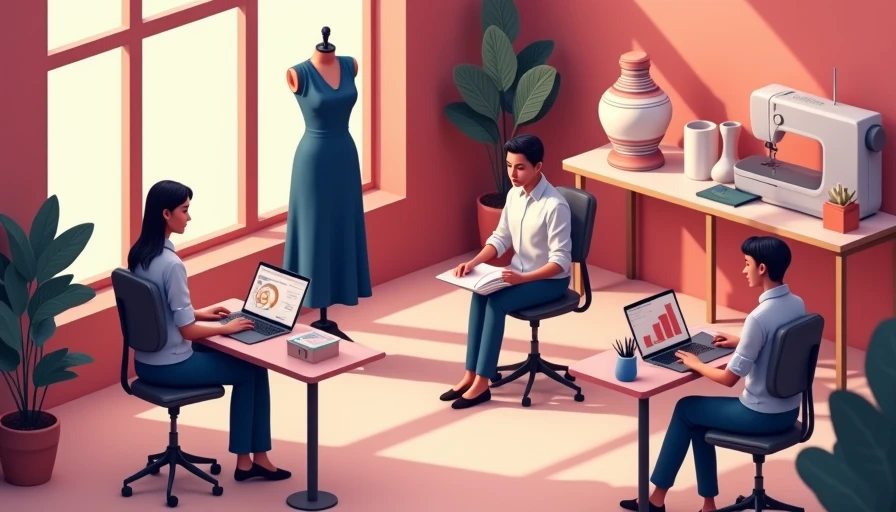
ROI in the fashion creator economy isn't just about sales. Brands track a mix of metrics: engagement rate, impressions, conversion rate, customer acquisition cost, and brand lift. Tools like Shopify Collabs, CreatorIQ, and Aspire help manage and measure these relationships. A creator might drive direct sales through affiliate links, but also increase brand awareness via stories and posts that don't have buyable links.
Attribution remains tricky. A customer might see a creator's Instagram post, then later search the brand on Google and purchase via a paid ad. Sophisticated brands use multi-touch attribution models to credit creators correctly. Despite the complexity, most agree that the fashion creator economy delivers a higher return than traditional digital ads—especially when the creator's audience aligns with the brand's target demographic.
Challenges and Opportunities Ahead
The fashion creator economy isn't without pitfalls. Oversaturation is a real concern—consumers are bombarded with sponsored content, leading to influencer fatigue. Creators who lose authenticity risk alienating their followers. Brands also face the risk of a creator's personal controversy damaging their reputation.
Regulation is tightening. The FTC now requires clear disclosure of sponsored posts. Platforms are also changing algorithms, making organic reach unpredictable. Brands must diversify their creator partnerships to avoid over-reliance on any single platform or individual.
Yet opportunities abound. The fashion creator economy is expanding beyond clothing into accessories, footwear, and even bespoke services. Live shopping—where creators sell products in real-time streams—is growing on platforms like TikTok Shop and Instagram Live. Brands that embrace this channel early can capture first-mover advantage. Additionally, the rise of virtual fashion and digital goods opens new revenue streams for creators.
Conclusion
The fashion creator economy is a permanent shift in how fashion is marketed, sold, and even designed. Brands that adapt—by fostering genuine creator relationships, investing in measurement, and embracing new platforms—will thrive. Those that ignore it risk falling behind in an increasingly decentralized industry. Whether you're a brand manager, a budding creator, or simply a fashion enthusiast, understanding this ecosystem is key to navigating the future of style and commerce.