The fashion retail transformation is not a distant future—it’s happening right now. Brands that once relied on foot traffic and seasonal collections are rewriting their playbooks. As consumer expectations evolve and technology speeds up every part of the supply chain, the industry is undergoing a fundamental overhaul. For anyone working in fashion—whether you’re a buyer, a marketer, or a creator—understanding this shift is critical to staying relevant.
The End of the Traditional Retail Calendar
The old rhythm of fashion—spring/summer, fall/winter, with collections planned a year in advance—no longer matches how people shop. The fashion retail transformation has accelerated the move to drop-based models, where brands release small batches of new items frequently. Companies like Zara perfected this “fast fashion” approach, but even luxury houses like Gucci are trimming their show frequency and experimenting with seasonless collections. The result: stores and websites that refresh constantly, keeping customers checking back.
Digital Channels as the New Storefront
Online sales now account for over a quarter of apparel purchases in the U.S., and that share continues to climb. But the fashion retail transformation goes beyond just having a website. Brands are building immersive digital experiences—virtual try-ons, AI-powered styling advice, and live-stream shopping events. Nike’s SNKRS app turns sneaker drops into events, while Reformation uses detailed fit videos to reduce returns. Physical stores aren’t disappearing; they’re becoming showrooms with pickup lockers and appointment-only shopping.

Sustainability as a Business Imperative
Another pillar of the fashion retail transformation is the push toward sustainability. Consumers, especially Gen Z, are demanding transparency about materials, labor, and environmental impact. Brands like Patagonia and Everlane have built loyalty around ethical messaging, but now mainstream retailers are following. H&M’s garment collection program and Levi’s Water<Less jeans are examples of how big companies are adapting. This shift isn’t just about marketing; it’s changing sourcing, production cycles, and how retailers communicate value.
Direct-to-Consumer Disruption
The rise of direct-to-consumer (DTC) brands like Warby Parker, Allbirds, and Glossier has rewritten the rules of retail. By cutting out middlemen, these companies offer higher margins and deeper customer relationships. The fashion retail transformation is visible in how legacy brands are now buying DTC startups (think Gap acquiring Intermix) or launching their own online-only lines. Data is the new currency—brands that own the customer relationship can personalize offers and reduce ad waste.
Technology Reshaping the Supply Chain
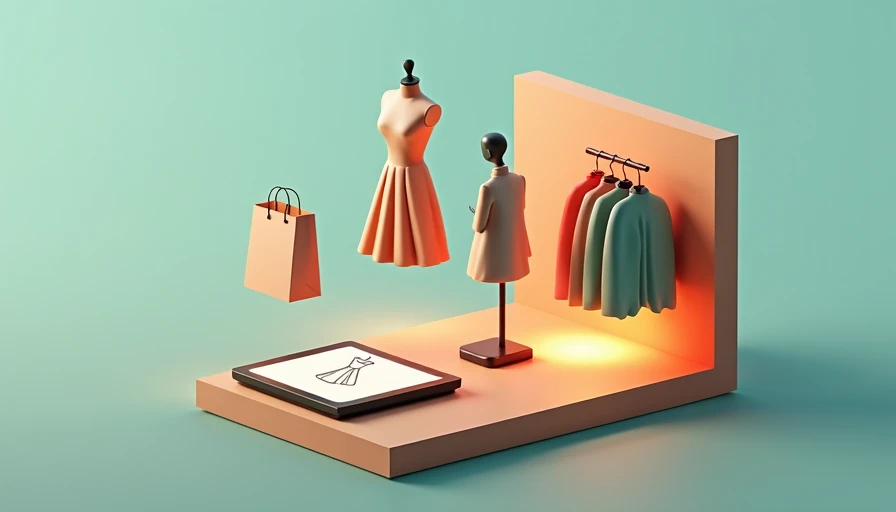
Behind the scenes, technology is streamlining everything from design to delivery. 3D design software lets brands prototype digitally, cutting sample costs by half. RFID tags track inventory in real-time, reducing overstock and markdowns. AI forecasts demand with surprising accuracy, helping retailers like Inditex and Macy’s keep just enough stock. This part of the fashion retail transformation might be invisible to shoppers, but it’s where the biggest efficiency gains are happening.
What This Means for Creators and Small Brands
For independent designers and content creators, the changing retail landscape is both opportunity and challenge. Social commerce—shopping directly on Instagram, TikTok, and Pinterest—eliminates the need for a physical store. Small brands can reach customers globally without a big ad budget. But they also face fierce competition and the pressure to produce constant content. The fashion retail transformation levels some playing fields while raising others.
Practical Steps for Brands Navigating the Shift
Retailers looking to thrive in this era should focus on these concrete actions:
- **Invest in data-driven personalization**: Use purchase history and browsing behavior to tailor recommendations and email campaigns. Tools like Dynamic Yield or Salesforce Marketing Cloud can help.
- **Adopt a test-and-learn approach**: Launch small collection drops on social platforms before committing to full production. This reduces risk and builds buzz.
- **Rethink the store experience**: Turn physical locations into experience centers with virtual try-ons, styling appointments, and seamless buy-online-pick-up-in-store options.
- **Commit to transparency**: Share supply chain details, fabric sourcing, and labor practices openly. This builds trust with younger consumers.
- **Train teams for omnichannel**: Ensure that warehouse, store, and online teams are aligned on inventory and fulfillment. Customers expect a unified experience.
- **Monitor emerging technologies**: Keep an eye on augmented reality, blockchain for provenance, and AI-driven design. Early adopters can gain a competitive edge.
Following these steps can help brands not only survive the retail transformation but also build a stronger connection with modern shoppers.
Conclusion: Adapt or Get Left Behind
The fashion retail transformation is not a single trend—it’s a convergence of digital adoption, sustainability demands, and consumer behavior shifts. Brands that embrace this change are building more direct, more agile, and more personal relationships with their customers. Those that cling to old models will find themselves irrelevant. For anyone in the industry, the message is clear: pay attention, experiment, and be ready to evolve.
*Note: The retail transformation continues. Keep watching for next moves from brands like Nike, Zara, and emerging DTC players.*