The Job Title Is Changing
The word “influencer” is starting to feel like a misnomer. Across fashion, the creators driving the most commercial impact in 2026 aren’t just posting brand deals — they’re making the kind of decisions that used to sit inside merchandising departments. They’re selecting product, managing sell-through risk, and building what look increasingly like curated retail assortments under their own names.
The shift from influencer to buyer is structural, not aesthetic. Consumer trust has moved from institutions to individuals, and the result is that a creator’s recommendation now functions less like advertising and more like inventory selection . When a creator features a product in a TikTok Shop livestream or curates a digital storefront, they are effectively placing a buy — choosing which SKUs get exposure, which brands get distribution, and which aesthetics get validated for their audience. That is the work of a retail buyer, not a media channel.
The commercial logic is straightforward. Buyers exist to reduce risk for retailers by selecting product that will sell. Creators are now performing that exact function for audiences that trust their taste more than they trust a brand's own merchandising. As YouTube's Travis Katz noted at Shoptalk Spring 2026, consumers now watch 110 million hours of shopping-related content on YouTube every day, and 78% of Gen Z prefer creator-driven content over studio-produced output . The distinction between content and commerce has disappeared — and with it, the distinction between creator and curator .
This looks like a marketing story, but it's really a distribution story. Brands that once relied on wholesale buyers to place product in front of consumers are discovering that a handful of trusted creators can move inventory faster than a department store order.
From Sponsored Post to Storefront
The infrastructure catching up to the behavior is what makes this more than a trend.
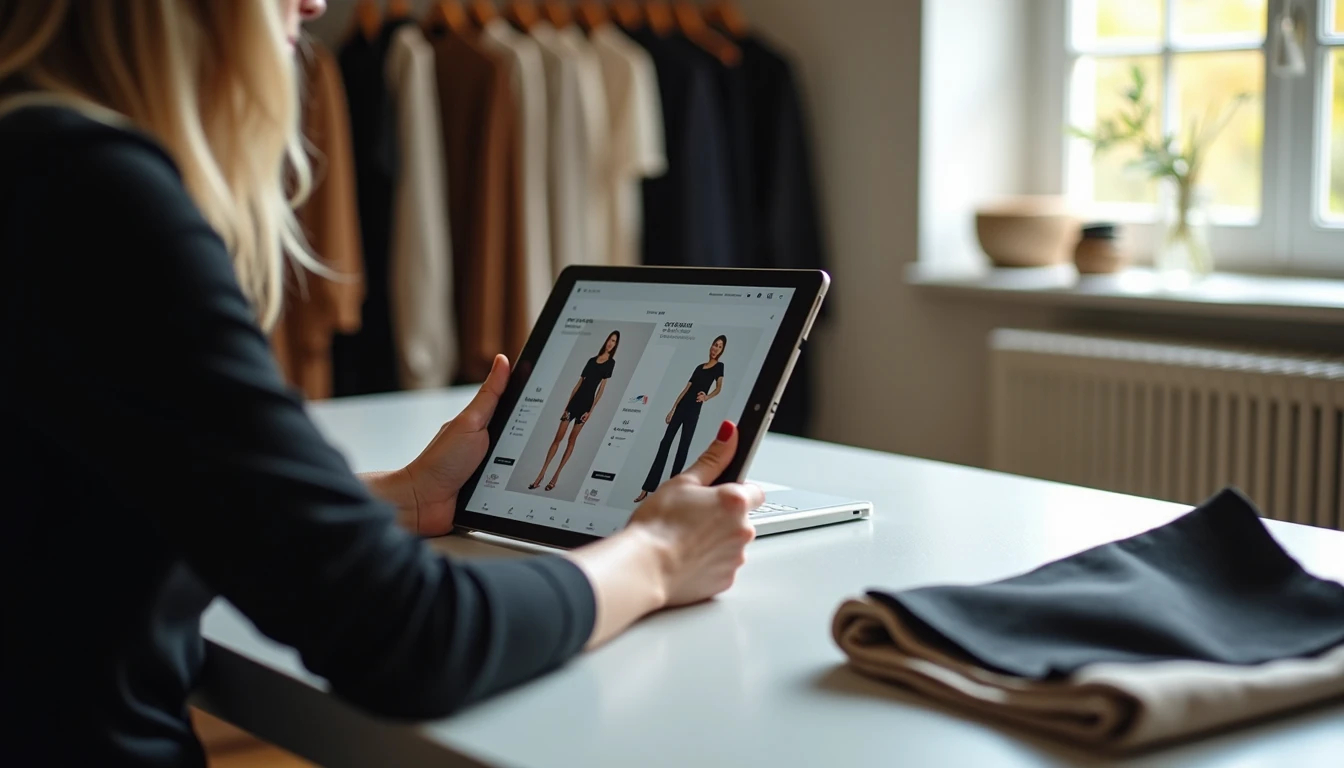
Condé Nast is launching Vette, a platform that gives creators tools to run their own digital storefronts — curating product, managing merchandising, and earning revenue share without ever touching inventory . The publisher's framing is telling: Lisa Aiken, Condé Nast's SVP of commerce, has described the existing affiliate model as “high friction” and positioned Vette as a new distribution channel for brands squeezed by wholesale contraction and rising DTC costs . The platform treats creators as boutique owners, not campaign talent.
TikTok Shop is scaling the same idea from the other direction. The platform is projected to reach $23.41 billion in U.S. e-commerce sales in 2026. It already saw $850 million in sales across four days, with shoppers tuning into over 760,000 livestream sessions. Creators on TikTok Shop are functionally running live shopping channels where they select, present, and sell products in real time — a format that looks less like influencer marketing and more like a digital version of a buyer-hosted trunk show.
The revenue model reinforces the shift. Social media creator revenue will increase 16.2% this year to $20.6 billion, according to eMarketer . But the creators capturing disproportionate share are those who've moved beyond one-off sponsored posts into owned commerce — their own storefronts, their own product lines, their own curated assortments. Jessica Alba's framing at Shoptalk Spring 2026 put it plainly: the gatekeepers who once controlled distribution have lost their grip, and power has shifted to creators who built credibility over time . When a creator's audience trusts their taste, the commercial layer becomes credible by extension.
What matters here is the inversion of the traditional retail model. A department store buyer used to sit between the brand and the consumer, filtering product through commercial judgment. Now a creator sits in that same chair — but their judgment is public, their sell-through is visible in real time, and their relationship with the audience is the asset that makes the whole model work.
What This Means for Brands
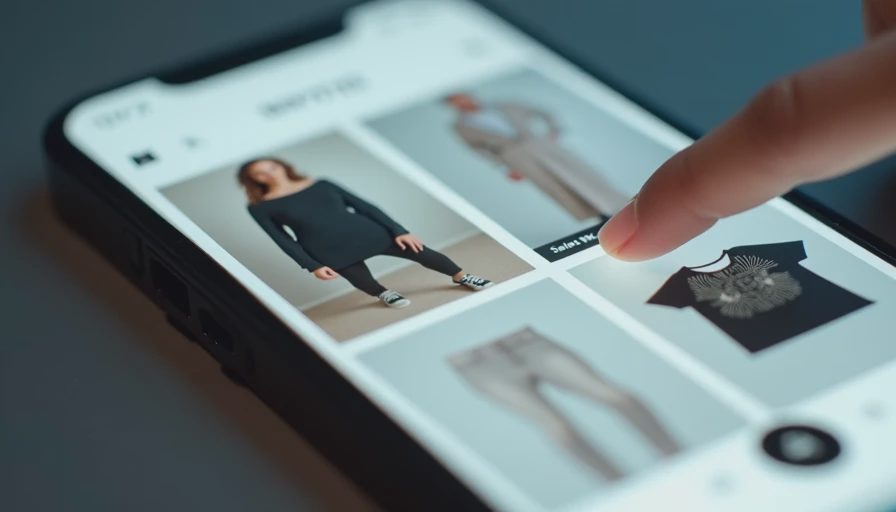
The brand implications are significant and uncomfortable. If creators are becoming buyers, then brands need to treat them less like media placements and more like retail accounts.
That means giving creators earlier access to product lines, allowing them to select the SKUs they believe will resonate with their audiences, and structuring compensation around sell-through rather than impressions. It also means accepting less control over how product is presented — because the moment a brand scripts a creator's voice, the trust that powers the commercial model erodes .
The data supports the discipline. 58% of consumers over 18 have purchased products because of an influencer endorsement . But 64% of consumers distrust influencers who don't disclose brand relationships, and 26% don't trust influencer marketing at all . The creators who survive as buyers are the ones whose audiences believe they would recommend the product regardless of the commercial arrangement — which is exactly the standard applied to a good retail buyer.
The real question is whether this model scales beyond the top tier of creators who already command audience trust. The early evidence suggests it might. Platforms like Vette are building AI-driven merchandising tools and inventory feeds that make small creator teams commercially viable without requiring enterprise-level operations infrastructure . Walmart and Pacsun have both launched programs to work directly with selected creators on their own brand sites, embedding creator curation into the ecommerce experience rather than keeping it siloed on social platforms .
This is not influencer marketing getting bigger. It's a new distribution model emerging alongside traditional wholesale and DTC — one where the buyer is also the media channel, and trust does the work that floor space used to do.