The Drop Is the Message
Aimé Leon Dore's Los Angeles flagship opening in April 2026 wasn't just a store launch. It was a case study in how the brand has rewritten the scarcity playbook — moving it beyond limited quantities into something harder to replicate: location-gated, experience-wrapped, and culturally coded to reward those who already belong.
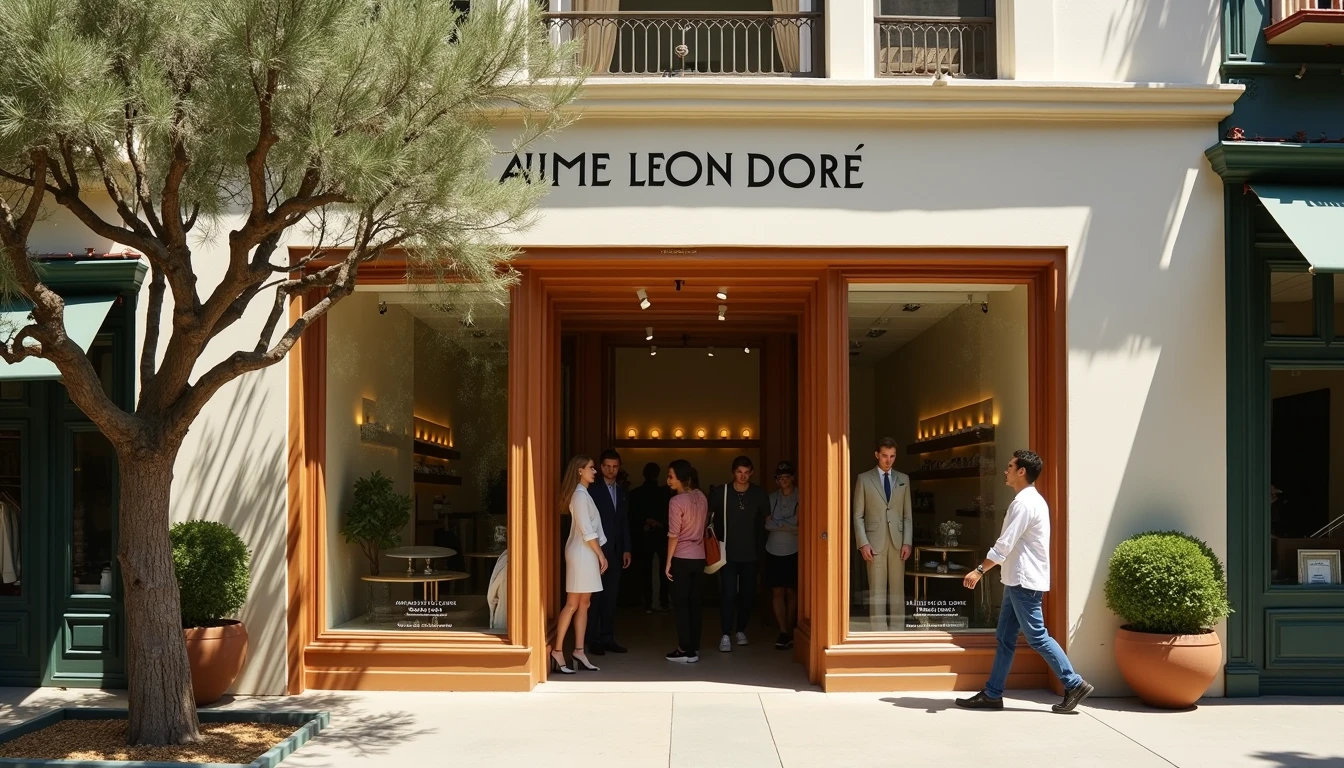
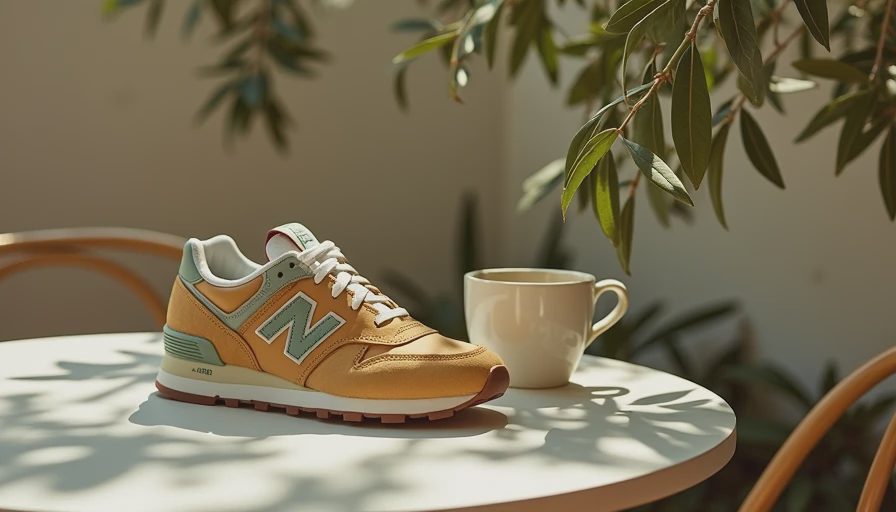
The West Hollywood space, designed with Sarita Posada Interiors, features a Mediterranean courtyard, an 80-year-old olive tree, and a café anchored by a custom La Marzocco espresso machine . To mark the opening, ALD dropped a collection of location-exclusive product: limited colorways of the ALD x New Balance 471 and a Dodgers Unisphere Tee available only at the Melrose Avenue store . The product wasn't the whole story. The product was the proof of presence — if you weren't there, you couldn't have it, and the fact that you couldn't have it was the point.
This looks like a collaboration rollout, but it's really a loyalty mechanism. ALD has spent years training its audience to treat drops less like shopping opportunities and more like community credentials. As Esquire India put it, missing a drop means losing "bragging rights, clout in the group chat, and the high of being the guy who got there before everyone else" . The Los Angeles opening extended that logic into physical space. The store isn't just a point of sale. It's a pilgrimage site — and the exclusive product is the souvenir that proves you made the trip.
Scarcity Without Shortage
What distinguishes ALD's scarcity model from the traditional limited-edition playbook is that the constraint is increasingly geographic and experiential rather than purely quantitative. The brand still does volume-constrained drops — the Technics turntable collaboration retailed for $2,100 and vanished near-instantly . The hoops and basketball drops light up the r/AimeLeonDore subreddit with the intensity of a live-sport match thread . But the Los Angeles strategy adds a layer: product that is scarce not because there are only 500 units, but because you had to be in a specific place at a specific time to access it at all.
That shift matters commercially. Pure quantity-based scarcity is increasingly vulnerable to bots, resale arbitrage, and the secondary-market transparency that StockX provides — where scarcity gets priced in public and the brand loses control of the narrative. Geographic scarcity is harder to game. It requires physical presence, which filters for the most committed customers. And it generates the kind of organic social content — store-front photos, café interiors, the olive tree in the courtyard — that extends the brand's aesthetic reach without a paid media budget.
The commercial logic is sharper than the marketing. When a brand restricts access by location rather than just by quantity, it protects full-price integrity in two directions. First, it eliminates the discount expectation entirely — location-exclusive product cannot be price-compared because there is no alternative channel. Second, it deepens the spend-per-visit from customers who have already invested the effort of showing up. The person who travels to Melrose Avenue is not buying one item. They're buying the full experience, the café coffee, and probably multiple pieces — because the sunk cost of presence increases basket size. ALD isn't selling a product. It's selling membership, and the store is the initiation.
The risk is visible in the tension identified by FLOMAG: the brand now has "one foot on a Queens basketball court and the other trying to step onto Via Montenapoleone" . LVMH's investment has pulled ALD toward Italian-made leather goods and luxury pricing. The core audience that built the brand on 90s hip-hop nostalgia and street-level credibility is watching the elevation with skepticism . The Los Angeles store's Mediterranean villa aesthetic — stucco walls, cobblestone courtyard, vintage furniture — reads more Amalfi Coast than Queens. The question is whether the brand can maintain its cultural roots while scaling a retail experience that feels increasingly like a luxury boutique.
What This Signals for Scarcity Marketing
ALD's model points to where scarcity marketing is heading across fashion. The old playbook — limited quantities, countdown timers, sold-out screens — has been copied so widely that it no longer signals anything except standard streetwear operations. The new playbook, which ALD is helping define, ties scarcity to something less replicable: place, experience, and community belonging.
The commercial signal is clearer than the marketing. When a brand can make a store opening feel like an exclusive event, and the exclusive event feel like a membership ritual, price becomes secondary to access. The consumer isn't evaluating whether a $165 New Balance collaboration is worth the money . They're evaluating whether they're inside the circle or outside it — and the product is just the token that confirms their status either way.
The broader implication for fashion brands is that scarcity is becoming a design problem rather than a production problem. Limiting quantities is easy. Limiting access in ways that deepen brand loyalty while commanding full-price sell-through is hard. ALD's Los Angeles opening suggests the brands that will win on scarcity in 2026 are those that make their customers feel like members, not shoppers — and build the physical experiences to prove it.