The Repositioning Season Is Open
Three brand strategy pivots unfolding this quarter reveal more about where the U.S. fashion market is heading than any trend report. One is a heritage label attempting to reclaim cultural relevance after years of drifting. One is a DTC darling quietly walking back its digital-only identity. And one is a mass-market giant making a credible play for the premium tier. Together, they map the pressure points reshaping brand strategy in 2026: heritage fatigue, channel reality, and the middle-market squeeze.
None of these repositionings are loud. The smartest strategy shifts rarely are. They show up in product, pricing, distribution, and the slow recalibration of who the brand believes its customer actually is — not who the brand wishes its customer were.
This looks like three separate brand stories. It's really one signal: in a market where consumer loyalty is harder to earn and more expensive to keep, the brands moving with intention are the ones editing harder rather than expanding further.
J.Crew: The Heritage Edit
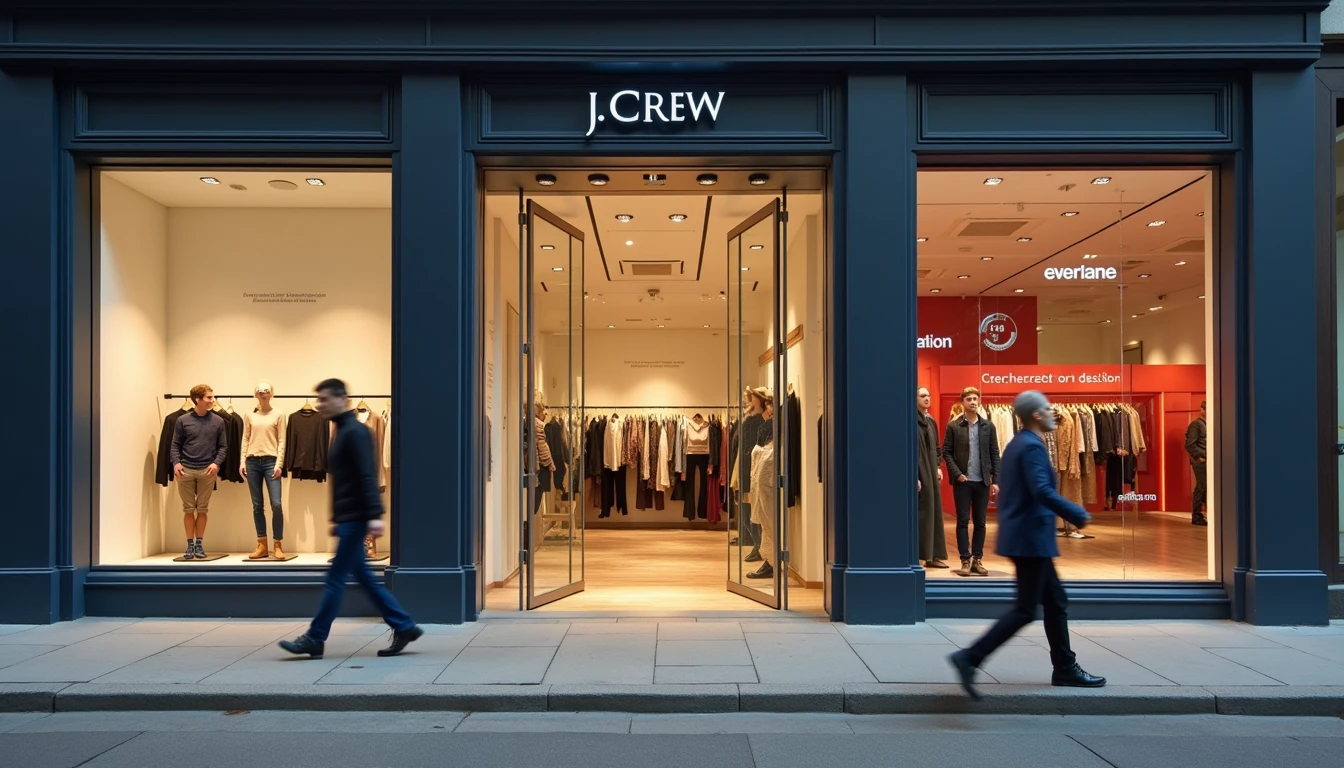
J.Crew's repositioning this quarter is less a creative overhaul than a disciplined contraction — and that's exactly what makes it worth watching. After years of swinging between preppy maximalism and ambiguous minimalism, the brand is making a clear bet: own the American heritage space with better product, fewer SKUs, and pricing that reflects the quality rather than apologizing for it.
The move is visible in the product mix. Where J.Crew once chased trend cycles with mixed results, the current assortment leans into the categories that built the brand's credibility — cashmere, tailoring, and what the company calls "forever" pieces designed to outlast seasonal churn. The store experience has been edited to match. Fewer items on the floor. Cleaner visual merchandising. A palpable reduction in the promotional noise that defined the brand's discount-heavy years.
The commercial signal is clearer than the marketing. J.Crew is not trying to compete with luxury, nor is it retreating to the promotional middle. It's staking a claim to the space between fast fashion and premium — where quality matters, price is fair but not cheap, and the customer self-selects for taste rather than trend. The repositioning is essentially a filtering mechanism: the brand is choosing its customer as much as the customer is choosing the brand.
The risk is execution. J.Crew has repositioned before, and the market has a long memory for brands that promise elevation and deliver more of the same. What makes this iteration different is the discipline. Private equity ownership under Anchorage Capital has imposed cost constraints that force focus — and focus, for a brand with J.Crew's distribution footprint, is more valuable than ambition. If the product quality holds and the promotional calendar stays restrained, J.Crew's repositioning could become a reference point for other mid-tier American heritage labels facing the same identity crisis.
Everlane: The Wholesale Pivot Nobody Expected
Everlane spent a decade building its identity around a single promise: no middlemen. Radical transparency. Direct-to-consumer as both a business model and a moral stance. The brand's entire narrative was built on the idea that cutting out wholesale partners meant lower prices for customers and higher margins for the company. Wholesale was the enemy.
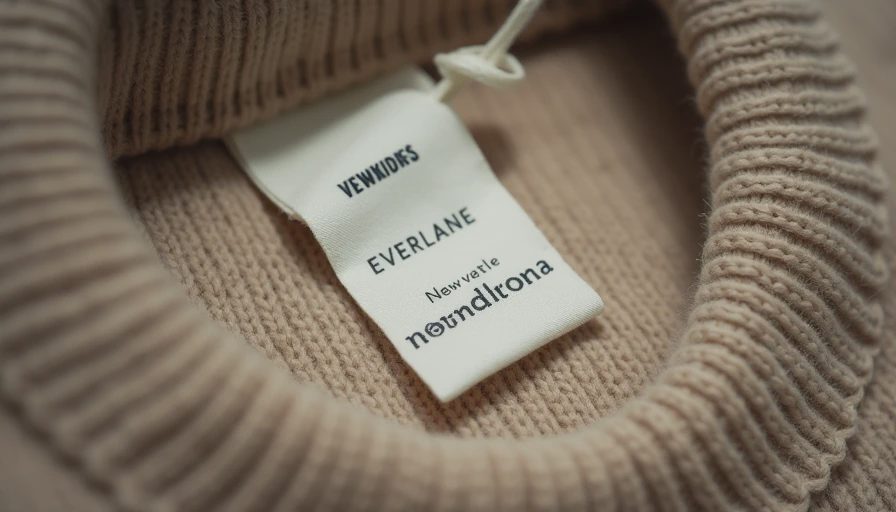
Which is why Everlane's quiet move into third-party retail this quarter is more significant than any product launch. The brand has begun testing wholesale partnerships with select Nordstrom locations, making its product available in physical retail for the first time at scale. The pivot is not being marketed as a strategy shift — the website still reads like a DTC manifesto — but the signal is clear. The brand that defined itself against wholesale has decided it needs wholesale to grow.
What matters here is the structural pressure that forced the decision. DTC customer acquisition costs have risen to the point where the unit economics of reaching new customers online exceed the margin captured on first orders. Everlane's growth plateaued. The brand's aesthetic — clean, neutral, quietly luxurious basics — photographs well online but benefits disproportionately from physical touch and try-on, which a screen cannot provide. And the consumer who discovers Everlane in a Nordstrom is a customer the brand would likely never have reached through performance marketing alone: someone who shops in stores, values curation, and trusts the retailer's edit.
The risk is narrative coherence. Everlane's brand story was built on a binary: direct is good, wholesale is bad. Customers who bought into that framing may view the Nordstrom partnership as a betrayal of the founding ethos. The brand's challenge is to evolve the story without losing the credibility that made it worth telling in the first place. The Nordstrom test suggests the answer will be selective — one partner, limited doors, curated assortment — rather than a wholesale free-for-all. If Everlane can position wholesale as a discovery channel rather than a distribution strategy, the narrative holds. If it can't, the brand that sold transparency will have to explain why it kept this pivot so quiet.
Target: The Premium Play That Might Actually Work
Target's fashion repositioning is the most ambitious of the three — and the easiest to dismiss. Mass-market retailers have attempted premium plays before, and the graveyard of failed "elevation" strategies is well-populated. But Target's current approach is worth watching because it's built on a structural insight rather than an aesthetic aspiration.
The insight is this: the U.S. consumer is trading down in categories where differentiation is low and trading up in categories where quality is visible. Target's repositioning targets the second half of that behavior. The retailer has expanded its owned-brand portfolio with lines that emphasize fabric quality, design distinctiveness, and pricing that sits above the mass-market floor but well below the premium ceiling. The product is positioned as an accessible upgrade — not luxury, but a deliberate step up from what the mass market has historically offered.
The commercial logic is sound. Target already has the traffic. It already has the store footprint. It already has the supply chain. What it has lacked is a fashion proposition that feels intentional rather than incidental — a reason for the shopper who buys toilet paper and laundry detergent at Target to also buy her clothing there. The repositioning creates that reason by offering product that would not look out of place in a premium boutique but retails for a fraction of the price.
The risk is brand credibility. Target has cycled through fashion moments before — the designer collaborations of the 2000s generated heat but didn't permanently shift perception of the retailer's core apparel offering. The difference this time is that the repositioning is not a one-off collaboration. It's a structural rebuild of the owned-brand portfolio, backed by supply chain investment and store-level presentation changes that make the fashion floor feel like a deliberate destination rather than a commodity aisle. If the quality holds and the design stays distinctive, Target could do what few mass-market retailers have managed: make the middle feel aspirational without pretending it's luxury.
What the Three Moves Signal Together
Each repositioning addresses a different pressure point, but the three share a common thread. J.Crew is editing to find focus. Everlane is expanding channels to find growth. Target is elevating product to find margin. In every case, the brand is moving toward a specific customer rather than trying to speak to everyone.
That's the real signal. In a market shaped by cost pressure, discount conditioning, and channel fragmentation, the brands making meaningful strategic moves are the ones narrowing their aperture. They're choosing who they're for and who they're not for — and accepting that the trade-off is the point. A repositioning that tries to keep everyone happy is not a repositioning. It's a press release.
The retail signal is clearer than the marketing. The three brands to watch this quarter are not the ones making the most noise. They're the ones making the most deliberate choices — about product, pricing, distribution, and customer. Whether those choices convert into sustained demand depends on execution. But in a market where most brands are reacting, the ones acting with intention already have an edge.