The Elevation Playbook Is Everywhere
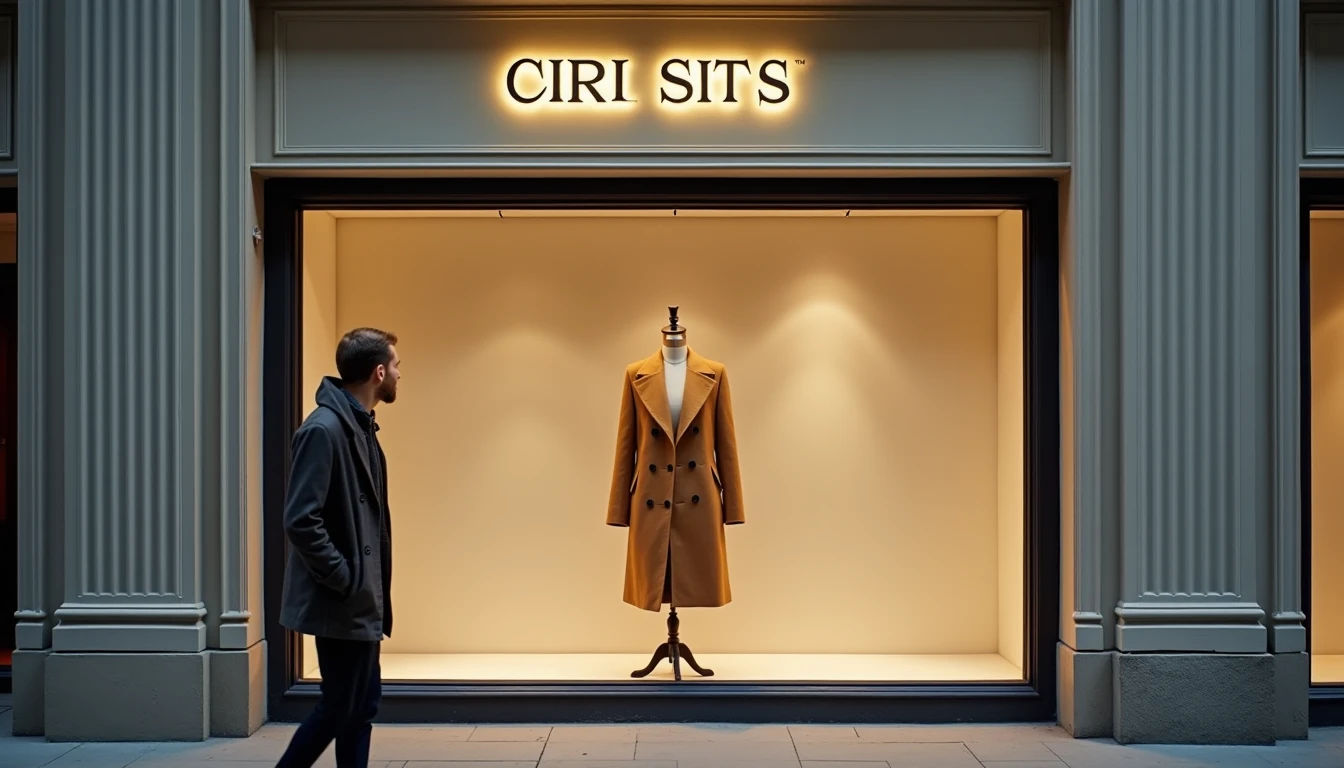
Walk through any U.S. mall or scroll a mid-tier brand’s refreshed e-commerce site in 2026, and the visual language is unmistakable. Serif wordmarks. Campaign imagery shot like editorials. Product pages that foreground fabric composition and craftsmanship over price. Brands that spent the last decade competing on accessibility are now competing on aspiration — and the shift is not cosmetic. It’s structural.
This looks like a branding story, but it’s really a margin story. Mid-tier brands are caught between two forces that make their traditional positioning untenable. Below them, ultra-fast-fashion players like Shein and Temu have seized the low-cost segment so aggressively that competing on price alone is a race to zero . Above them, luxury brands spent years raising prices without proportionally elevating product — creating a gap of frustrated consumers who still want quality and design distinction but refuse to pay luxury markups for diminished returns . Mid-tier brands are rushing into that gap, and they’re doing it by borrowing the aesthetic codes of the luxury sector they’re undercutting.
The data confirms the direction of travel. According to Lectra’s Retviews analysis, mid-tier brands in the U.S. market have pushed price points up by as much as 50% compared to 2024, with some categories doubling their average unit retail . The McKinsey and BoF Insights State of Fashion 2026 report identifies this “elevation game” as one of the year’s defining themes: mid-market brands are moving up to capture consumers squeezed out of luxury, and the mid-market has already surpassed luxury as the primary value creator in the global fashion industry .
The question is whether consumers will buy the rebrand — literally — or whether the aesthetic upgrade outpaces the product substance that makes higher prices stick.
What “Rebranding Like Luxury” Actually Means
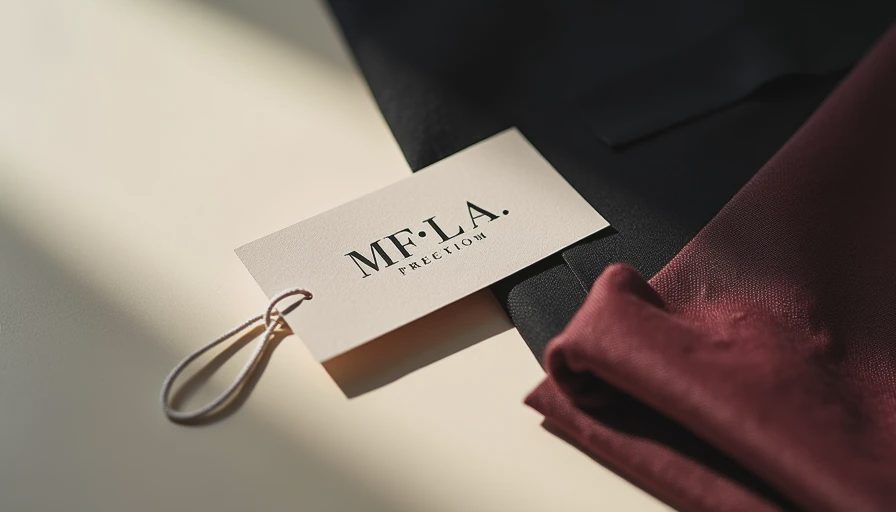
The luxury mimicry showing up across mid-tier fashion is not random. It follows a consistent playbook built on three pillars: product elevation, pricing discipline, and experience overhaul .
On product, brands are introducing “hero” pieces designed to shift perception of the entire line. COS launched a nappa leather and shearling jacket priced over €1,000 in 2025 and showed at New York Fashion Week . H&M developed capsule collections with external designers. Uniqlo invested in its Uniqlo:C line, built around higher-quality essentials. Marks & Spencer shifted focus toward fine fabrics and genuine leather. These are not brand-awareness stunts. They are pricing anchors — products that exist partly to sell, but mostly to signal that the brand now plays in a different league.
On pricing, the strategy is less about aggressive hikes than about discipline. The Retviews data shows mid-tier brands narrowing discount depth while extending promotional periods — a “restrained but sustained” approach that protects the perception of full-price value while still capturing discount-driven shoppers . The goal is to train consumers out of expecting permanent markdowns without losing the traffic that promotions still drive. That requires patience and a willingness to sacrifice short-term volume for long-term price integrity — exactly the trade-off luxury brands have managed for decades.
On experience, the shift is visual and spatial. Websites are being rebuilt with editorial photography, fewer products per page, and more emphasis on material storytelling. Physical retail is moving toward smaller-footprint stores in premium malls, with interior design that borrows from luxury boutique codes — neutral palettes, natural materials, fewer items on display. The message is consistent: this is not a place to hunt for deals. This is a place to discover taste.
The retail signal is clearer than the marketing. When Zara launched its editorially driven move upmarket, the strategy wasn’t communicated through ads — it was communicated through product, photography, and store design that felt closer to The Row than to fast fashion . Consumers read the shift not through brand announcements but through the experience of encountering the brand in a different context. That’s the luxury playbook, and mid-tier brands are learning it fast.
Can the Consumer Support This?
The commercial logic is sound, but it rests on a bet about consumer behavior that is not yet fully proven. The McKinsey data offers reason for optimism: 31% of consumers say they are willing to spend more on products that better meet their needs, even in an environment where overall spending confidence is low . That figure represents a meaningful minority — enough to build a repositioning around, if the product delivers on the promise.
Coach’s positioning offers a parallel worth watching. Tapestry CEO Todd Kahn describes the brand’s “expressive luxury” strategy as a “Goldilocks” formula: aspirational in design and quality, approachable in price . The numbers suggest the formula works. Coach posted 29% revenue growth in the most recent quarter, with average unit retail rising at a low double-digit rate while unit volumes grew over 20% — simultaneous price and volume expansion, which is rare and signals genuine demand strength rather than cost-pass-through .
What Coach has that many mid-tier rebrands lack is a credible luxury heritage to anchor the elevation. The risk for brands without that lineage is that the visual cues of luxury — the serif logo, the editorial campaign, the minimalist store — are easy to copy but difficult to make feel earned. The consumer who pays a 50% premium for a mid-tier coat in 2026 is making a judgment about whether the product justifies the price, not just whether the branding looks expensive. If the garment fails to deliver on quality, durability, or design distinction, the elevation strategy collapses into a pricing strategy without substance — and consumers are faster than ever to call that out.
This is the structural tension at the heart of the mid-tier rebrand moment. The luxury codes being borrowed — scarcity, craftsmanship narrative, pricing discipline — were built over decades by brands that invested in product substance before marketing. Mid-tier brands are attempting to compress that timeline, and the speed of the pivot creates risk. The ones that will hold their new positioning are those that invest in product elevation before marketing elevation — in better fabrics, more distinctive design, and genuine quality improvement — rather than hoping a new logo and a higher price tag do the work on their own.
The real question is whether the mid-tier elevation wave has staying power beyond the current cycle, or whether it depends on conditions — luxury overshooting on price, ultra-fast-fashion absorbing the low end — that may not hold. For now, the conditions are supportive. Luxury’s value perception is dented. The low-end race is unwinnable. And a generation of consumers exists that wants quality and taste signals but refuses to pay for a logo that no longer impresses. Mid-tier brands are betting that’s enough. The ones that invest in product substance alongside branding will find out.