From Alaïa Runway to Kmart Rack
In 2023, Pieter Mulier sent a pair of dramatically curved, almost banana-shaped jeans down the Alaïa Fall/Winter runway. The silhouette — bulbous at the thigh, tapered sharply at the ankle — read as avant-garde, deliberately difficult, the kind of high-fashion gesture designed to provoke reaction more than imitation .
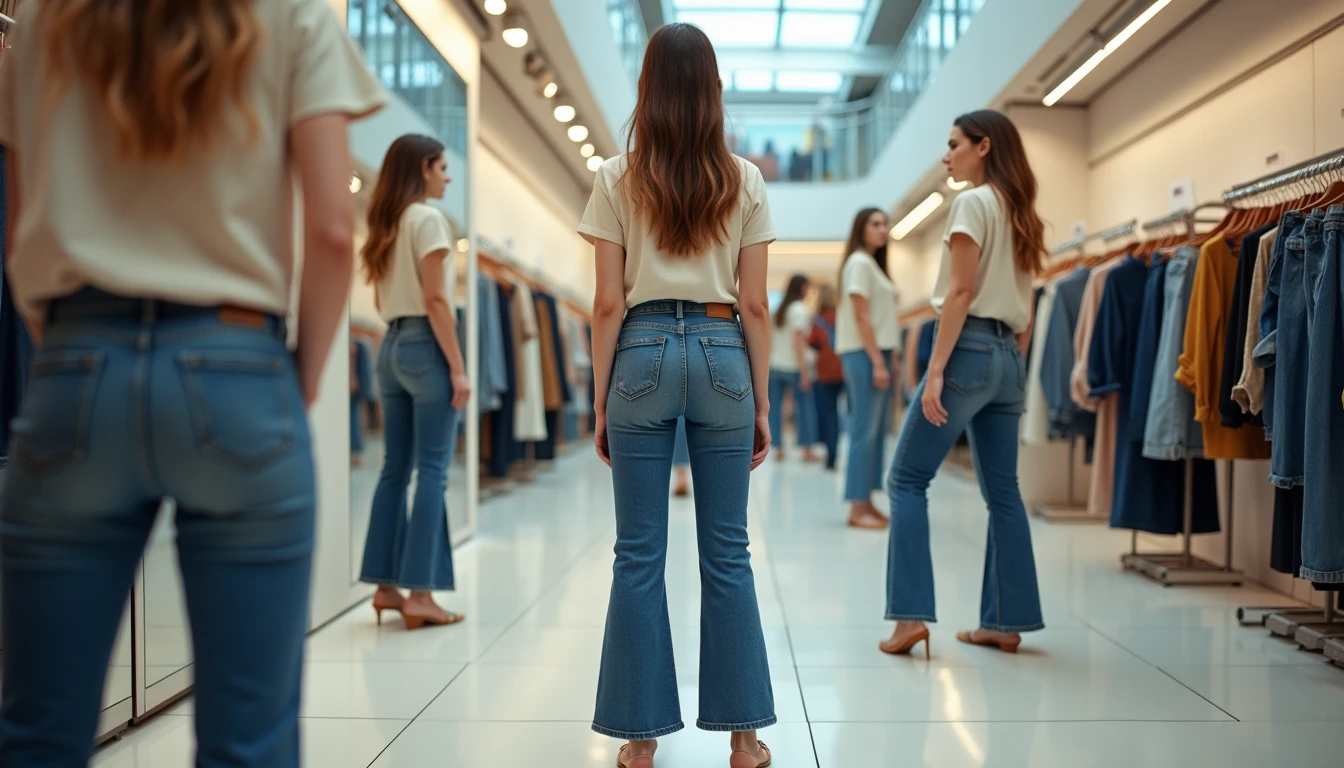
Three years later, Kmart Australia is selling a $30 barrel-leg jean that shoppers are calling "the ultimate autumn staple," urging each other on TikTok to "run" before stock disappears [citation:1]. The same shape that once divided the fashion world has become a mass-market standard, available at Walmart for $29.79, at Gap for $34.99, and at Uniqlo for $49.90 with an online alteration service built into the purchase flow.
This looks like a trend story, but it's really a distribution story. The speed at which barrel-leg denim moved from luxury provocation to mall-floor staple reveals less about consumer taste than about how efficiently the fashion supply chain now converts runway silhouettes into accessible product. What used to take half a decade now takes eighteen months — and the brands that moved fastest captured the demand before the trend cycle even had time to peak.
The creative director of Citizens of Humanity, Marianne McDonald, captured the dynamic when she told Vogue that the horseshoe shape "feels somewhat sculptural, yet it can still look relaxed and sophisticated" — and that the divisive reaction to an early Instagram post was when the brand "realized we had a bestseller on our hands" . Strong opinions, not indifference, signal commercial potential. Barrel jeans generated both from the start.
What the Retail Data Actually Shows
The commercial signal is clearer than the styling debate. At Marks & Spencer, barrel and wide-leg fits now account for 65% of total women's denim sales — not a niche subset, but the majority of the category . The retailer has sold 105,000 pairs of barrel-leg jeans since introducing the shape in March 2025, and holds an 18.2% share of the UK women's denim market overall . When a single silhouette drives nearly two-thirds of category revenue at a mass-market retailer, the trend has crossed from fashion-insider adoption into genuine consumer demand.
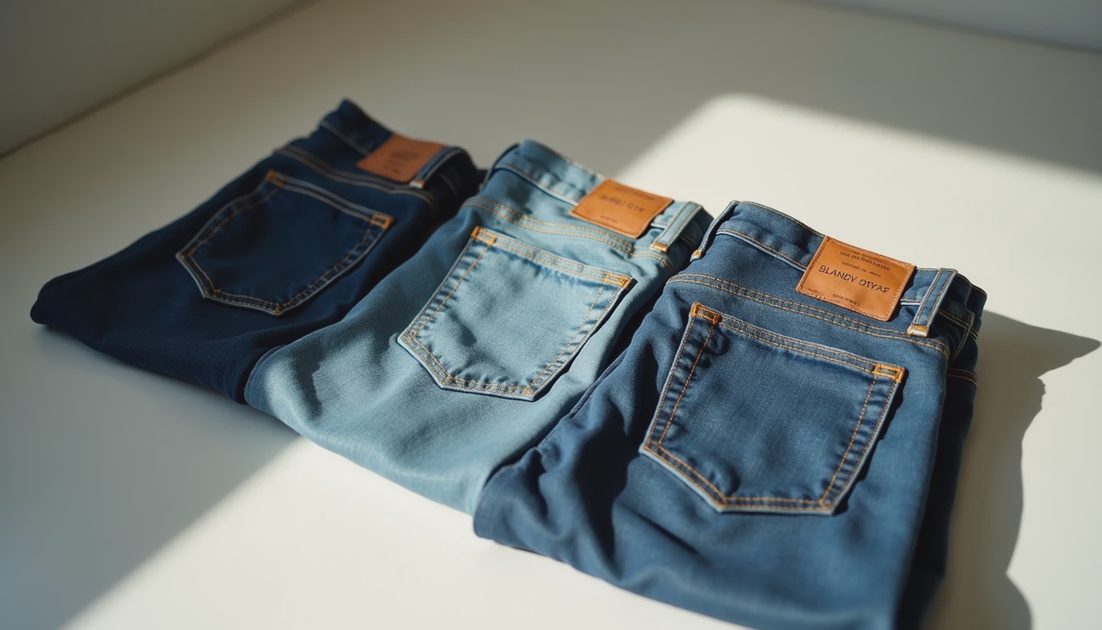
The pricing architecture around barrel denim confirms the breadth of the market. The silhouette spans from Kmart's $30 entry point up to Scanlan Theodore's $360 designer version, with Free People's viral We The Free Barrel Jeans occupying the $98–$100 middle — a range that has generated over 27 million TikTok videos. Every price tier is represented, which means every consumer segment has access to the shape. That is the structural condition for a trend to hold beyond a single season: when a shopper can find the silhouette at her preferred price point, she doesn't need to abandon it when her budget shifts.
The mass-market adoption has been accelerated by product accessibility in sizing as well as pricing. Anthropologie's barrel jeans come in petite, regular, tall, and plus fits . Spanx offers a version with four-way stretch and sizes from XS to 3XL . Uniqlo built online alteration into the purchase experience, letting customers request inseam adjustments from 16 to 33 inches . The silhouette didn't just become available — it became available to everyone, which is the moment a trend stops being a trend and starts being a category.
Why This Silhouette Stuck
The question worth asking is why barrel-leg denim specifically achieved this trajectory, when other sculptural silhouettes — drop-crotch trousers, extreme flares, ultra-wide palazzos — have cycled through without achieving mass adoption.
The answer sits at the intersection of comfort and distinctiveness. Barrel jeans offer "volume without sloppiness, drama without chaos," providing a silhouette that reads as intentional rather than oversized . The tapered ankle keeps the shape from overwhelming the wearer, creating what one analysis described as "the fashion equivalent of saying, 'I'm chill, but also very stylish'" . That balance — legible as a fashion choice without being difficult to wear — is the commercial sweet spot that pure avant-garde shapes rarely hit.
The styling barrier is also low. Because the volume is concentrated in the leg shape rather than in embellishment or color, barrel jeans pair with existing wardrobe staples: fitted tops, blazers, sneakers, boots. The shape does the work; the rest of the outfit can be simple. That makes adoption frictionless in a way that trends requiring a full outfit rethink never achieve.
M&S's Spring 2026 campaign formalized the insight. The retailer launched new iterations — the High Waisted Crease Front Barrel Leg — alongside wide-leg and flared options, treating the silhouette not as a seasonal experiment but as a permanent category extension . When a retailer with an 18% market share builds barrel jeans into its core assortment rather than positioning them as a trend buy, the market is signaling that the shape has structural demand behind it, not just social media momentum.
This looks like a denim trend, but it's really a case study in how efficiently fashion now moves product from runway to rack. The brands that recognized barrel denim as commercially viable in 2024 — Free People, Citizens of Humanity, Uniqlo — captured the early adopters. The brands that waited until 2026 are now competing on price in a category where the shape is already standard. The real question is what silhouette is currently sitting in a luxury showroom, looking too difficult for the mass market, while a supply chain somewhere is already preparing to produce it at scale.