The Aesthetic Reset
Fashion in 2026 is experiencing something rare: a collective exhale. After a decade defined by micro-trend whiplash — cottagecore one month, dark academia the next, balletcore by summer — consumers are signaling exhaustion. The signs are everywhere. Searches for “prairie dress” and “puff sleeve blouse” have dropped more than 30% year-on-year . Ripped jeans and cut-out denim, once the uniform of fashion-forwardness, are being replaced by structured wide-leg silhouettes. The era of fashion as a weekly costume change is giving way to something quieter but more commercially durable: editing as a consumer behavior rather than acquisition as a reflex.
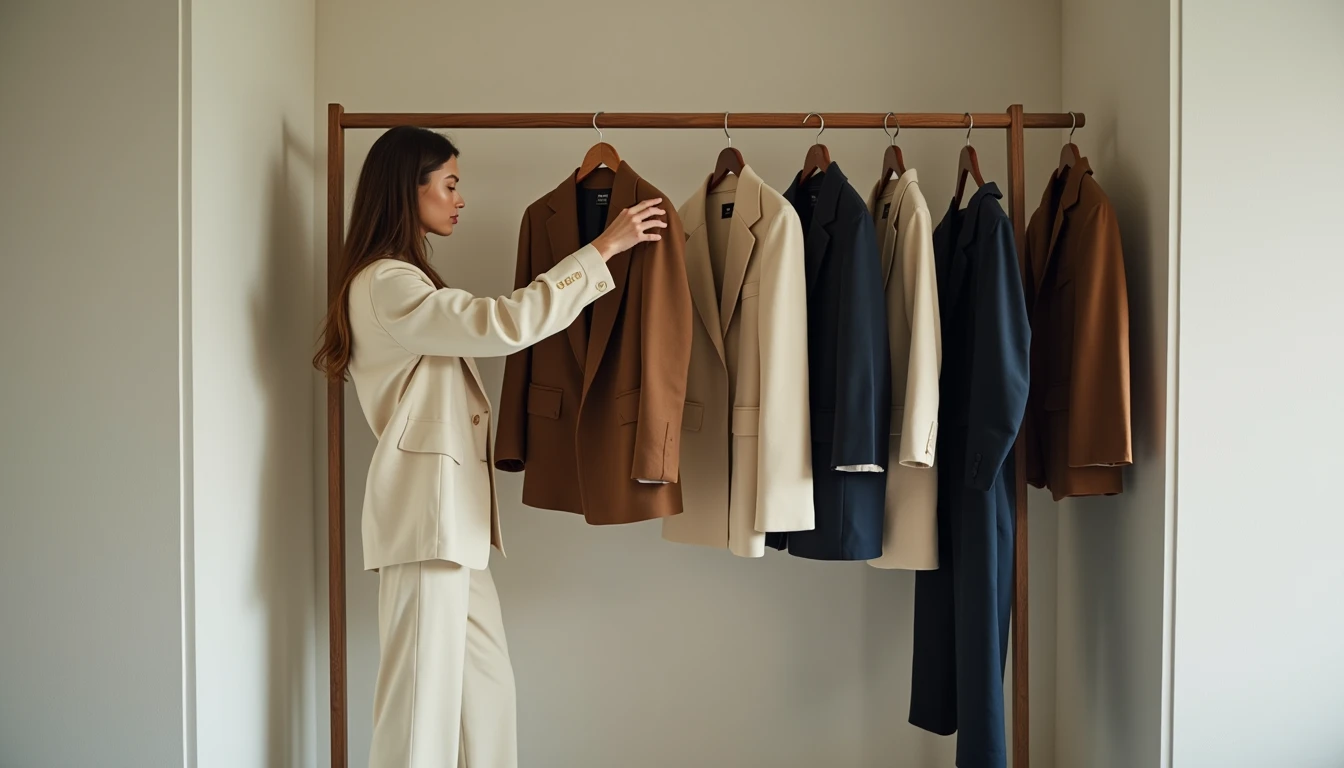
Depop’s 2026 Trends Report, titled The Edited Self, captures the shift directly. The platform’s data shows users gravitating toward “dependable silhouettes and repeatable staples,” with consumers dressing with conviction and signaling taste through repetition rather than reinvention . The message is unambiguous: the consumer who once chased every micro-trend is now curating a wardrobe, and that behavioral change has consequences for every brand built on the assumption that novelty would always win.
This looks like a trend fatigue story. It’s really a structural shift in how consumers allocate attention and spending. Micro-trends didn’t die because people got bored. They lost power because the economic and cultural conditions that sustained them — low clothing prices, infinite social media novelty, pandemic-era identity experimentation — have changed. Inflation has made clothing more expensive. Digital saturation has made constant newness feel like noise rather than discovery. And the post-pandemic identity churn that fueled rapid aesthetic cycling has settled into something more stable.
The retail signal is clearer than the marketing. When search behavior shifts from novelty-driven queries toward terms like “capsule wardrobe” and “structured denim,” consumers are not just changing what they buy. They’re changing how they think about buying . That’s a deeper shift than any single trend — and it has implications for how brands design, market, and merchandise product in the years ahead.
What's Replacing the Micro-Trend
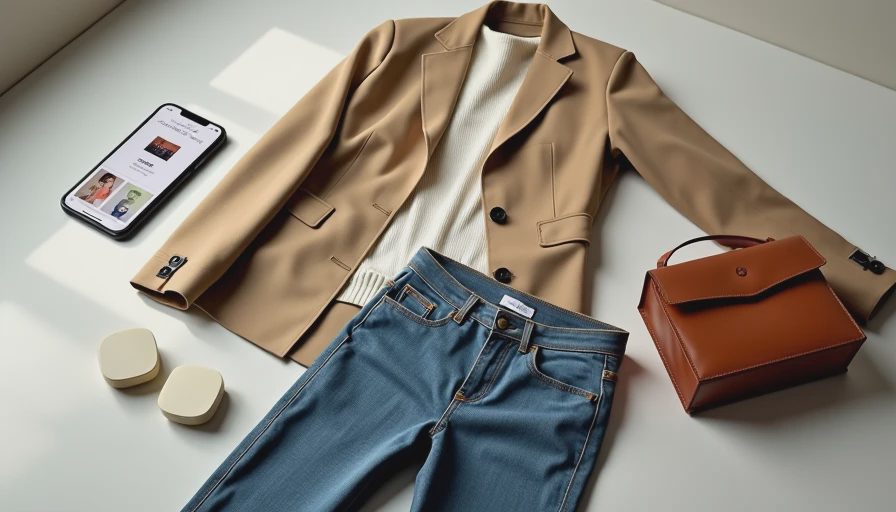
The void left by micro-trends is being filled not by one dominant aesthetic but by a set of consumer behaviors that share a common architecture. The Source Fashion 2026 analysis identifies five aesthetic shifts — but the more useful insight is what those shifts reveal about consumer values: clarity over chaos, craftsmanship over costume, longevity over logos .
The first replacement behavior is what Depop calls “Modern Uniforms” — the deliberate adoption of repeatable silhouettes and dependable staples. This is not about boring clothing. It’s about dressing with conviction, where the flex is consistency rather than novelty. Spikes in workwear jackets, peacoats, and office shirts on Depop confirm that consumers are building wardrobes designed to be worn repeatedly rather than content production vehicles designed to be photographed once .
The second is “Everyday Ceremony,” a behavior pattern where consumers elevate daily routines through intentional dressing — tailored coats for grocery runs, draped skirts for coffee, structured blazers for the school pickup. Search behavior shows strong gains across structured blazers, kitten heels, and statement jewelry . The point is not the specific items. It’s the mindset: clothes as small rituals that add presence to ordinary moments, rather than clothes as props for a social media performance that ends when the post goes live.
The third is a pivot toward what could be called “Modern Craft Minimalism” — tactile, grounded aesthetics that value artisanal finishes, natural fibers, and quiet luxury without performative minimalism . This is a response to the flattening of “quiet luxury” into beige-on-beige parody. When every influencer’s feed turned sand-toned, minimalism stopped feeling meaningful. The correction is a version of restraint that rewards close attention — tonal stitching, unusual seams, quiet hardware — rather than broadcasting status through absence of color.
What matters here is that none of these replacement behaviors function like the micro-trends they’re replacing. Micro-trends were fast, visual, and replicable. The new behaviors are slow, tactile, and rooted in individual taste rather than mass mimicry. A micro-trend could be copied in a Shein haul video. A personal uniform takes time to build, requires fit and fabric knowledge, and resists algorithmic reproduction. That slowness is the point — and it’s also what makes the shift commercially significant.
Why This Is Structurally Different
The decline of micro-trend power is not a pendulum swing that will reverse when the next aesthetic catches fire. It is the result of converging structural forces that are reshaping fashion consumption from the ground up.
First, the economics have changed. Clothing prices have risen significantly under tariff pressure, and consumers are responding by buying less and choosing more carefully. McKinsey and BoF Insights note that the mid-market has surpassed luxury as the primary value creator in global fashion, driven by consumer demand for value, product elevation, and retail experience innovation . When a garment costs more, the consumer expects it to work across multiple contexts and multiple seasons — the exact opposite of the single-use logic that powered micro-trend culture.
Second, digital saturation has altered how consumers process fashion content. The Forbes analysis of 2026’s “analog living” movement identifies growing consumer fatigue with AI-generated marketing, algorithm-driven aesthetics, and the efficiency-over-craft mindset that dominated 2024 and 2025 . The consumer pushback is not against technology itself but against the feeling that fashion has become optimized rather than designed. Brands that communicated with emotional intention rather than algorithmic efficiency are capturing consumer trust. The ones still churning out trend-responsive content optimized for engagement metrics are finding that the engagement is hollow — views without purchase intent, likes without loyalty.
Third, the rise of resale has fundamentally altered the value equation. When consumers know a garment has secondary-market worth, they buy differently. They prioritize quality, durability, and brand equity over trendiness because those are the attributes that hold value on Depop and The RealReal. A micro-trend piece that looks dated in six months has zero resale value. A well-made tailored coat holds it. The growth of resale — which McKinsey identifies as one of the defining themes of 2026 — has trained consumers to think like investors, not just shoppers .
The commercial signal is clearer than the trend reporting. A fashion system built on micro-trends requires high-volume, low-cost production, rapid trend detection, and consumers willing to buy frequently and discard quickly. Every structural force now active in the market — cost inflation, consumer preference for quality, resale transparency, digital fatigue — works against that model. The brands that will thrive in the post-micro-trend environment are those that design for longevity, market with emotional depth rather than trend urgency, and treat the customer as a curator rather than a content creator.
What matters here is that micro-trends are not being replaced by macro-trends. They’re being replaced by a consumer mindset that treats fashion less like entertainment and more like an investment in personal identity. The era of the micro-trend is ending not because people stopped caring about clothes, but because they started caring more — and that depth of care is expressed through edit, not accumulation.