The Gorpcore Evolution No One Named Until Now
“Quiet outdoor” is the term catching on in 2026 to describe something the fashion industry has been circling for several seasons without quite naming. It is not gorpcore — at least, not the gorpcore of 2017, when The Cut coined the term to describe Patagonia fleeces and Salomon trail runners showing up on people who had no intention of getting near a mountain. That aesthetic was built on conspicuous technicality: the more straps, zippers, and performance specs, the better. Quiet outdoor is what happens when gorpcore grows up, softens, and learns to whisper.
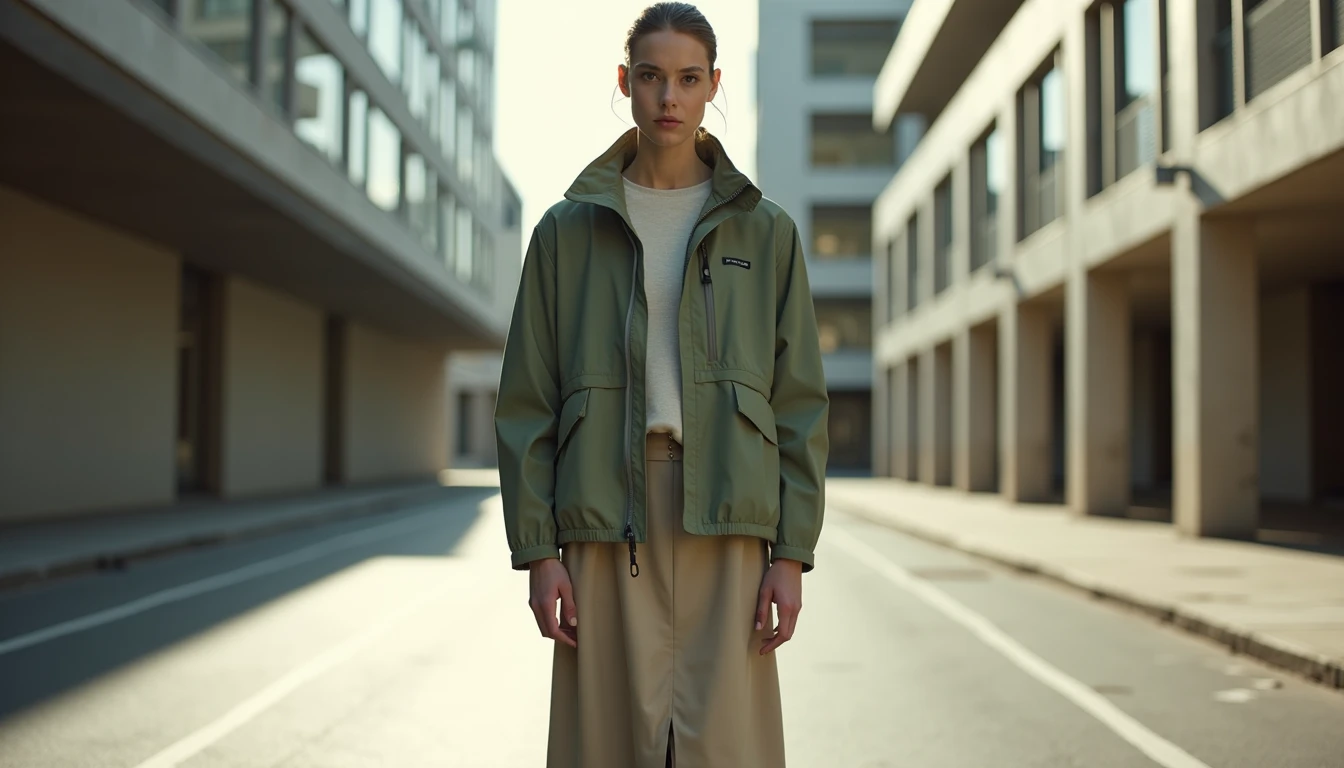
The distinction matters commercially. Gorpcore in its original form was a statement — wearing a Gore-Tex shell to brunch said something about the wearer’s relationship to function, fashion, and the blurring of both. Quiet outdoor, by contrast, is an integration. It pairs a trail runner with straight-leg denim. It layers a technical shell over a midi skirt. It selects an organic cotton outdoor tee and tucks it into relaxed trousers. The function is still present. The performativity has quietened. And that quietening is what opens the category to a much larger addressable market than gorpcore ever reached.
This looks like a trend evolution. It’s really a market expansion story. Quiet outdoor takes the technical credibility and functional legitimacy that gorpcore built over nearly a decade and strips away the subcultural gatekeeping that kept it niche. The result is a category positioned to capture consumers who want outdoor-derived performance and aesthetics without looking like they just walked off a trail.
What the Data and Runways Are Saying
The commercial signal is clearer than the aesthetic debate. According to market data, the gorpcore market is now valued at nearly $5 billion globally, with runway appearances at Prada, Miu Miu, and Louis Vuitton cementing its transition from subculture to design philosophy. Sales of outdoor-functional commuter apparel grew 42% year-over-year in recent tracking, with products blending fashion aesthetics and practical performance accounting for 65% of that growth. When nearly two-thirds of a category’s growth comes from products designed to work in both environments — the trail and the street, the mountain and the office — the crossover is no longer a niche behavior. It’s a dominant purchase pattern.
The collaboration landscape confirms the direction of travel. The North Face and Cecilie Bahnsen are now on their third collection together, with Spring 2026 pieces integrating WINDWALL™防风 technology and DWR water-repellent finishes into feminine silhouettes with floral detailing and sculptural shapes. AIGLE, the French outdoor heritage brand, has partnered with LVMH Prize winner Setchu — himself a fishing enthusiast — for a capsule collection that brings origami-inspired folding and A-line structures into functional outdoor garments. These are not outdoor brands doing fashion collaborations as marketing stunts. They are structural product integrations that treat technical performance and aesthetic design as co-equal priorities — exactly the product development logic that builds durable categories rather than seasonal moments.
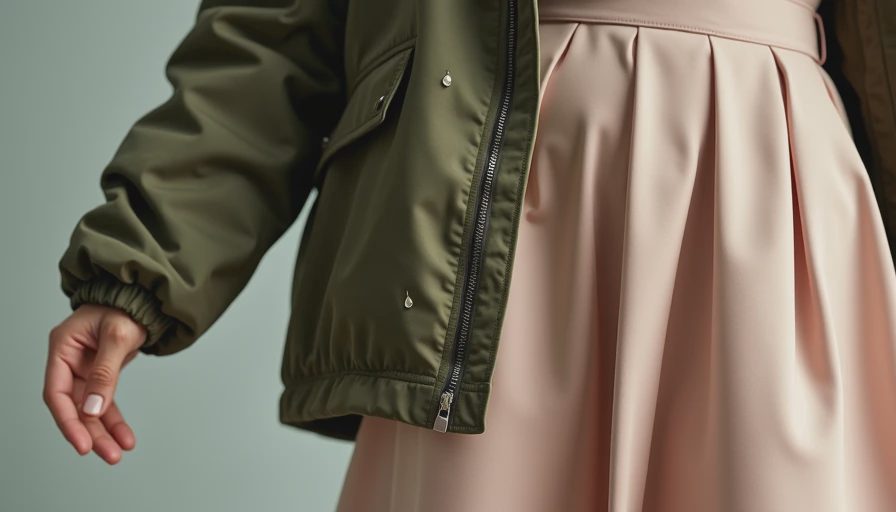
The quiet outdoor aesthetic also draws on a deeper cultural narrative. As Italian publication Style Magazine notes, the trend represents a romanticization of technical clothing rooted in an American archetype: the fisherman, the lumberjack, the solitary camper at the edge of civilization. Brands like Filson — founded in 1897 to outfit Klondike gold rush prospectors — are finding new relevance in 2026 through this lens. The appeal is not nostalgia. It’s the construction of an “imaginary” of a slower, more self-sufficient America, translated into clothing that promises authenticity through fabric, function, and silhouette rather than through logos.
The consumer psychology underneath the trend is structurally significant. The quiet outdoor consumer is not a hiker buying fashion. She is a fashion consumer buying function — but the function must be invisible enough to wear to dinner. That requirement — performance without the look of performance — is what distinguishes quiet outdoor from the gorpcore that preceded it, and it’s what positions the category to scale beyond the outdoor enthusiast into the mainstream wardrobe.
Can This Scale Beyond the Niche?
The question worth asking is whether quiet outdoor has the structural conditions to become a lasting crossover category — the way athleisure did in the 2010s — or whether it remains a fashion-insider aesthetic with limited mass-market reach.
The evidence tilts toward scale. Athleisure succeeded because it solved a genuine consumer problem: the need for clothing that worked across fitness, casual, and increasingly casualized workplace contexts. Quiet outdoor addresses a parallel need in 2026. The consumer who wants a jacket that performs in rain, looks refined enough for a commute, and carries none of the aggressive branding of traditional outdoor gear is the same consumer who made athleisure a $300 billion-plus global category. The functional demand is real. The aesthetic demand is documented. The price points — from accessible technical shells to luxury collaborations — span the full market range.
The risk is that quiet outdoor collapses into a marketing label rather than a genuine product category. The term “quiet” is already doing heavy lifting across fashion — quiet luxury, quiet outdoor — and the more it gets applied, the less meaning it carries. If quiet outdoor becomes a catch-all for any garment in a neutral color with a technical fabric, the category loses the functional credibility that makes it commercially durable. The brands that will capture the quiet outdoor opportunity are those that maintain genuine technical standards — waterproofing, breathability, durability — while designing for everyday wear. The ones that simply rebadge existing fashion product with outdoor language will find that consumers can tell the difference.
The retail signal is clearer than the trend reporting. When luxury houses, heritage outdoor brands, and mass-market retailers are all converging on the same product territory — technical fabrics, softened silhouettes, neutral palettes, functional details integrated invisibly — the category has moved beyond the concept stage. The question is no longer whether quiet outdoor exists. It’s how big it gets, which brands capture the growth, and whether the product substance holds up to the branding.
Quiet outdoor is not gorpcore with better marketing. It’s the maturation of a decade-long shift in how consumers relate to functional clothing — from performance as a statement to performance as an expectation. The brands that understand the difference will build the next big crossover category. The ones that don’t will be left holding puffer jackets and wondering why the moment passed.